Handmade Gifts Guide: From Simple to Stunning

It's hard buying the perfect gift for everyone on your list but this creative handmade gifts guide will make it easier.
When was the last time you gave a gift that made someone cry happy tears? Handmade gifts carry an emotional weight that mass-produced items simply cannot match. You spend money on something that ends up in a closet or gets regifted within months. The lack of personal connection leaves both giver and receiver feeling empty. Handmade gifts solve this problem by infusing your time, creativity, and care into something unique. This guide gives you the complete roadmap to creating gifts that matter. It's loaded with ideas for homemade gifts for her, diy Christmas gifts for kids, easy diy gifts, and creative Christmas gifts.
A couple of items on the list will include tutorials for how to make handmade gifts for your loved ones. Keep in mind as you read through this list that it's simply a starting point, a guide. Most of these gifts leave a lot of room for creativity to put your own spin on things.
I love a good heartfelt homemade handcrafted gift.
Store-bought gifts often lack the personal touch that makes a family member or loved one feel truly special. I know how much love and care I put into these gifts and receiving one is extra special for any special occasion.
Inside this Handmade gifts guide, you will discover handmade gift ideas spanning every skill level, occasion, and budget. By the end, you will have the knowledge and confidence to create meaningful gifts that recipients will treasure for years to come.
In this post:
- You'll learn what are my handmade gifts ideas that I rely on.
- Links to resources so you can make the gifts too.
This post contains Affiliate Links. This means if you click and buy, I might make a commission at no cost to you.
See my policy for more information
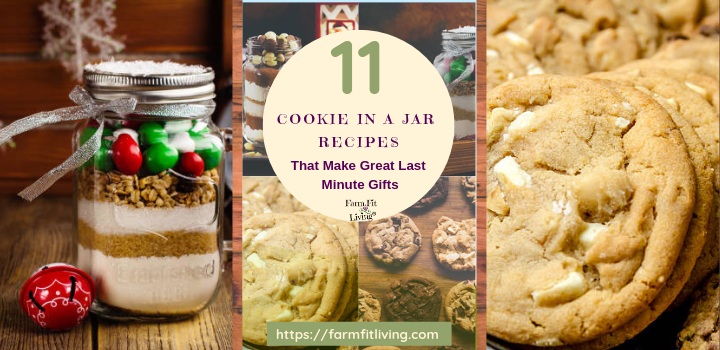
1. Cookie recipe mason jars.
These are always a favorite of mine and they're always a hit with whoever receives them. I have 11 different cookie mixes that I switch around depending on what they received last year. This is definitely one of the easy gifts to make at home which can come in handy for us busy moms.
2. Baked goods
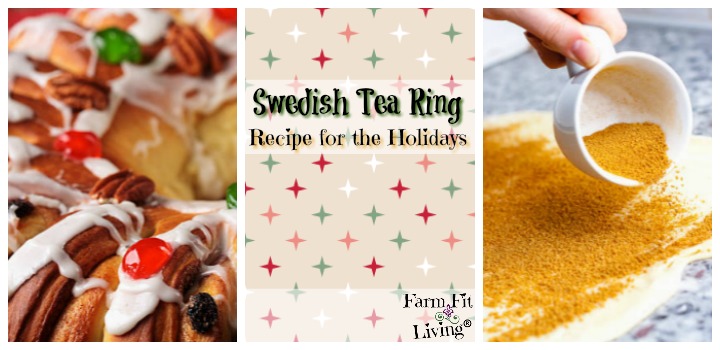
Any baked goods will do, cookies, brownies, bread, etc. Growing up we used to make 100 different kind of cookies and arrange them on a platter, wrap them with colored plastic wrap, and gift them to our teachers.
3. Monogrammed planter boxes
You can find pretty letter stickers or use sharpies on a planter box or a mason jar to create a handmade planter.
Bonus points if you add an actual plant like a Christmas cactus or succulent.
Grab more ideas for the Plant Lover here
Want to give a Christmas Plant for a unique gift? Grab my Christmas Plant Care Guide.
4. DIY Garden Markers
There are a couple of ways you can do this. Whether you're using popsicle sticks or rocks, they're easy to make since all they require is a little creativity. They are the ideal gift for the home gardener.
5. Painted rocks
This is a special gift. I had a neighbor come over to buy tomatoes from me earlier this year. As she was leaving, I saw her over by our antique tractor. I figured she was just looking it over and went over there after she left.
She had left a little rock with a chicken on it. It was so cute!
I realized she does this regularly. She'll find smooth, flat rocks and paint them with images or symbols or sayings and leave them for someone to find.
They are called friendship rocks. Make some for your friend to find. It will make their day like it did mine.
6. Stationary and wall hangings
I use Canva for when I'm designing stationary or wall hangings. This is always fun because there is so much you can create on Canva. I choose an 8.5x11 and just go to town with different designs.
7. Homemade dog treats
There are so many recipes for dog treats out there, you can make soft baked ones, jerky, the recipes on Pinterest are endless.

8. Beeswax chapstick
If you're a beekeeper then you can make chapstick from beeswax. The ingredients are super simple:
- 2 tablespoons of coconut oil
- 2 tablespoons shea butter
- 2 tablespoons of the melted beeswax
Mix it all together. You can scent it and add in 3-5 drops of essential oils if you would like. Once that's set, you funnel it into whatever container you want to use and let it dry.
Find More Gifts for the Beekeeper Here
9. Handmade Candy
My friend Angela makes amazing caramels that I will link below when she gets the recipe up on her blog. But there's a lot of different candies you can make, fudges, caramels, almond barks, chocolate covered pretzels, and those are just a couple of suggestions.
10. Personalized Photo Frames
This idea, again, is only limited by your creativity. Just grab a plain photo frame and decorate with paint, markers or whatever you have.
Transform plain wooden picture frames into customized treasures using paint, decoupage, or embellishments. Purchase unfinished wood frames from craft stores for $3-5 each. Sand lightly before applying your chosen decoration method.
Paint techniques range from solid colors to ombre effects to stenciled patterns. Chalk paint provides a matte finish that requires no priming. Apply two coats, allowing full drying time between applications.
Decoupage adds pattern and interest using decorative napkins or scrapbook paper. Apply decoupage medium to the frame, press paper into place, then seal with additional medium. The technique looks complex but requires only patience.
Embellishments like buttons, shells, or small tiles add dimension. Arrange items before gluing to test different layouts. Hot glue works for most materials while E6000 adhesive handles heavier elements.
11. Embroidered or painted towels
These are a great idea for those people in your life that love to spend time in the kitchen. These make a beautiful handmade gift and especially makes for a fun way to give a housewarming gift.
12. Peppermint hot cocoa in a bag
Similar to the cookie mason jars, the hot cocoa calls for:
- ½ a cup of powdered milk
- ½ a cup unsweetened cocoa powder
- ½ cup sugar, one teaspoon salt
- ¼ cup chocolate chips
- ¼ cup crushed candy canes
- ¼ cup mini marshmallows.
Layer your mason jar with the ingredients in that order and then decorate your jar.
13. Jams, jellies, and sauces
Anything that is safe to make in your own home. A few examples I have are jalapeño mustard, ice cream sauces, pepper jelly, I have a few recipes down below. Everyone loves tasty homemade jams, jellies and sauces as a perfect handmade gift.
14. BBQ sauce or rub
For the grillers in your life this makes a great gift. There's a particular spice rub we put together and it's great on chicken, ribs, pork, and any beef and you likely already have all of the ingredients.
The ingredients are:
- ⅓ cup packed brown sugar
- 1 teaspoon chili powder
- 2 teaspoons cumin
- 2.5 teaspoons smoked paprika
- 1 tablespoon garlic powder
- 1 tablespoon onion powder
- 1 tablespoon salt
- 1 tablespoon black pepper
- 1 tablespoon cayenne pepper
Mix all of the ingredients together and store in an airtight container. Now you have a creative idea for anyone on your holiday gift list.
15. Pictures
Pictures of kids with family members always make great gifts, especially for grandparents. It's a beautiful way to easily give a gift with a thoughtful touch.
16. DIY personalized coasters
You need a square tile, about 4x4, which you can find at your local hardware store.
Then four pieces of scrap paper, just whatever you can find, monograms, designs, whatever. You'll need four pieces of felt. You can see the full tutorial over at The Cottage Mama which is linked below.
17. Personalized journals
You can design a cover on Canvas and then use journal templates to create journals tailored to the people receiving it. You can do it on their hobbies, their talents, etc.
18. DIY coupons
These are always a cute idea and you can create them in Canva. Canva has a step-by-step tutorial for making DIY coupons for anything and everything. It's one of my favorite handmade gift ideas because the possibilities are Endless!
19. An Online Course or Experience
An online course is something you can make, so it definitely counts! I have my own courses but I also have friends' courses that I share.
I'll get you started with an awesome Gardening Course that I have. I share step-by-step instructions to starting a garden that will make it simple for you to learn. Before long, you'll have a new hobby and you won't look back!
Go Here to Enroll in the Course
20. Personalized mugs
You can get white mugs and they decorate them using paint or Ceramic markers.
21. Jewelry
If you're feeling extra crafty, get yourself a jewelry kit and make some jewelry for your loved ones.
22. Kids busy board
This is an awesome gift for the work at home mom who needs different ways to entertain her little ones safely. Pinterest has some awesome ideas on this one as well.
23. Hand-Poured Candle
Here's another fun gift you can make all your own to give to your favorite person. Who doesn't love a homemade candle?
Candle making seems intimidating but follows a straightforward process. Melt soy wax flakes in a double boiler until they reach 185 degrees Fahrenheit. Add fragrance oil at a ratio of 1 ounce per pound of wax, then pour into prepared containers.
Container selection matters more than most beginners realize. Mason jars provide classic appeal while teacups offer vintage charm. Secure wicks to container bottoms using hot glue or wick stickers before pouring wax.
Here is what you need to create basic candles at home:
Soy Wax Flakes: Choose soy over paraffin for cleaner burning and easier cleanup. One pound of wax fills approximately two 8-ounce containers with enough left for testing.
Cotton Wicks: Size wicks according to container diameter. Too-small wicks create tunneling while oversized wicks produce excessive smoke. Most candle suppliers provide sizing charts.
Fragrance Oils: Purchase skin-safe fragrance oils specifically formulated for candles. Essential oils work but require higher quantities to achieve similar scent strength.
Containers: Heat-resistant glass or metal containers prevent cracking. Avoid thin glass that might shatter when hot wax makes contact.
Thermometer: Accurate temperature control prevents fragrance evaporation and ensures proper wax adhesion. Digital thermometers provide instant readings.
Grab this complete candle making set and start forming candles sooner than later.
24. No-Sew Fleece Blankets
Fleece blankets require zero sewing skills yet produce professional-looking results. Purchase two coordinating fleece pieces measuring 1.5 to 2 yards each. Layer them together and cut 4-inch strips around all edges, spacing cuts about 1 inch apart.
Tie corresponding strips from top and bottom layers together using simple knots. The process takes roughly 90 minutes and creates a cozy blanket perfect for anyone. Customize by choosing fleece patterns that match recipient interests like sports teams, hobbies, or favorite colors.
These blankets work especially well for teenagers, college students, and elderly recipients who appreciate warmth and weight. The finished product looks store-bought despite requiring no special skills.
25. Bath Salts and Sugar Scrubs
Body care products combine easily and customize endlessly. Bath salts require only Epsom salt, essential oils, and optional dried flowers. Mix 2 cups of Epsom salt with 15-20 drops of essential oil, then package in glass jars with instructions to add ¼ cup per bath.
Sugar scrubs need three ingredients: granulated sugar, coconut oil, and essential oils. Combine 1 cup sugar with ½ cup melted coconut oil and 10 drops of essential oil. The mixture creates a gentle exfoliant that moisturizes simultaneously.
Package these products in 4-ounce or 8-ounce jars with handwritten labels. Include ingredient lists and simple usage instructions. These gifts appeal to anyone who enjoys self-care rituals.
26. Knitted Scarves and Cowls
Knitting opens endless gift possibilities once you master basic stitches. Scarves serve as perfect first knitting projects because they use simple repetitive patterns. Cast on 20-30 stitches depending on desired width, then knit every row until the scarf reaches your target length.
Cowls require slightly more skill since you knit in the round using circular needles. The seamless tube sits comfortably around necks without bulky seams. Choose soft yarns like merino wool or alpaca blends for maximum coziness.
Pattern selection affects both difficulty and final appearance. Garter stitch creates a squishy, textured fabric by knitting every row. Ribbing alternates knit and purl stitches for an elastic, fitted finish. Cable patterns add visual interest but demand more concentration.
Choosing Yarn for Success
Yarn weight dramatically impacts your knitting experience and final product. Here is what different weights offer:
- Bulky or Super Bulky: Projects work up quickly, making them ideal for last-minute gifts. The thick yarn hides minor mistakes that might show in finer weights. Expect to finish a scarf in 6-10 hours.
- Worsted Weight: This versatile middle ground offers good stitch definition without excessive project time. Most patterns use worsted weight as the standard. Scarves typically take 10-15 hours.
- Fingering or Sport Weight: Lightweight yarns create delicate, drapey fabrics perfect for elegant accessories. Projects take considerably longer but produce refined results. Budget 20-30 hours for scarves.
27. Hand-Stamped Jewelry
Metal stamping allows you to create personalized jewelry without expensive equipment. Purchase metal blanks in various shapes, metal letter stamps, and a stamping hammer. The process involves positioning each letter stamp on the metal and striking firmly with the hammer.
Brass and aluminum blanks work best for beginners because they stamp more easily than stainless steel. Practice on spare pieces until you develop consistent striking force. Too-light hits create faint impressions while excessive force might bend the blank.
Design options include names, dates, coordinates, or meaningful quotes. Keep text short since spacing challenges increase with length. Plan your layout on paper before stamping to avoid running out of room.
Finishing techniques enhance durability and appearance. Liver of sulfur creates an antique patina in stamped letters, making them stand out against polished metal. Sand the raised surface lightly to remove patina while leaving darkened letters.
28. Quilted Table Runners
Table runners introduce quilting concepts without the commitment of a full-sized quilt. These projects teach fabric selection, piecing, quilting, and binding in a manageable format.
Start by selecting 3-5 coordinating fabrics in a cohesive color scheme. Cut fabrics into uniform shapes like squares or rectangles, then arrange them in a pleasing pattern. Sew pieces together with ¼-inch seams, pressing each seam before adding the next piece.
The quilting process involves three layers: the pieced top, batting for warmth, and backing fabric. Layer all three, then secure with safety pins or basting spray. Stitch through all layers following your preferred quilting pattern.
Quilting Pattern Options
The table below compares common quilting patterns suitable for beginners:
| Pattern Name | Difficulty | Visual Effect | Time Required |
| Straight Lines | Easy | Modern, geometric | 2-3 hours |
| Diagonal Grid | Easy | Classic, traditional | 3-4 hours |
| Meandering | Moderate | Organic, flowing | 4-6 hours |
| Stitch in the Ditch | Easy | Subtle, invisible | 2-3 hours |
Binding finishes the raw edges with coordinating fabric strips. Cut 2.5-inch strips, sew them together end-to-end, then attach around the perimeter. Machine-stitch to the front, fold to the back, and hand-stitch in place for a professional finish.
29. Macrame Wall Hangings
Macrame combines simple knots into intricate patterns that add texture to any space. Basic wall hangings require only cotton cord and a wooden dowel. The three fundamental knots (square knot, half-hitch, and spiral knot) create most designs.
Cut cord lengths at least four times your desired finished length. Longer pieces provide more working material but create more bulk. Attach cords to the dowel using lark's head knots, which form the foundation for your pattern.
Follow a pattern or create freeform designs based on your knotting knowledge. Geometric patterns offer modern appeal while flowing, asymmetric designs feel more bohemian. Add beads or incorporate driftwood for additional visual interest.
Finishing involves trimming cord ends to your preferred length and unraveling individual strands for a fringed effect. Some crafters leave ends neat and knotted while others prefer wild, natural fringe. Both approaches work depending on the overall aesthetic.
30. Custom Wooden Furniture
Small furniture pieces like side tables, benches, or shelving units require woodworking tools and knowledge. Begin with simple designs featuring straight cuts and basic joinery before attempting complex curves or dovetail joints.
Pine and poplar offer affordable, workable options for learning projects. These softwoods cut easily and accept stains well. Hardwoods like oak, maple, or walnut create stunning finished pieces but demand sharper tools and more physical effort.
Joint selection affects both strength and appearance. Pocket holes provide hidden, strong connections perfect for beginners. Mortise and tenon joints offer superior strength for stress-bearing furniture. Dovetails showcase craftsmanship but require precision and patience.
Finishing protects wood while enhancing natural beauty. Sand progressively through finer grits (80, 120, 180, 220) until the surface feels silky smooth. Apply wood conditioner before staining to ensure even color absorption. Seal with polyurethane, wax, or oil depending on desired sheen and protection level.
Surface Finishing Comparison
Different finishes provide varying levels of protection and appearance:
- Polyurethane: Creates a durable, water-resistant barrier perfect for frequently-used furniture. Available in matte, satin, and gloss sheens. Requires 2-3 coats with light sanding between applications. Dries completely within 24 hours per coat.
- Tung Oil: Penetrates wood fibers to provide moderate protection while maintaining a natural appearance. Hand-rub multiple thin coats, allowing 24 hours between applications. The low-sheen finish highlights wood grain beautifully. Not suitable for surfaces exposed to water or heavy use.
- Paste Wax: Offers minimal protection but creates a soft, traditional sheen. Apply over sealed wood rather than bare surfaces. Buff to desired shine level. Requires reapplication every few months depending on use.
31. Hand-Sewn Quilts
Full-sized quilts represent the pinnacle of fabric gifts. These projects span months and involve hundreds of individual pieces sewn together with precision. The emotional weight matches the physical warmth these quilts provide.
Design planning starts long before cutting any fabric. Traditional patterns like Log Cabin, Flying Geese, or Ohio Star offer time-tested beauty. Modern quilters often prefer improvisational piecing that creates unique, asymmetric designs.
Fabric selection affects both the construction process and final appearance. Cotton quilting fabric behaves predictably and withstands repeated washing. Pre-wash all fabrics to prevent shrinkage and color bleeding in the finished quilt.
Piecing accuracy determines whether blocks fit together properly. Use a consistent ¼-inch seam allowance throughout the project. Even slight variations compound across multiple seams, causing blocks to measure incorrectly.
Quilting options include hand-quilting, domestic machine quilting, or longarm quilting services. Hand-quilting creates irreplaceable character through visible stitches but requires hundreds of hours. Machine quilting finishes projects faster while still allowing creative freedom. Longarm services provide professional results for a fee.
Binding Construction Steps
Professional-looking binding requires attention to detail. Follow these steps for perfect edges:
- Calculate Binding Length: Measure quilt perimeter and add 10 inches for corners and joining. Cut 2.5-inch strips and sew end-to-end using diagonal seams to reduce bulk.
- Attach to Front: Align binding raw edges with quilt edge. Sew using ¼-inch seam allowance, mitering corners at 45-degree angles for neat corners.
- Fold to Back: Bring binding over raw edges to quilt back. The folded edge should just cover the machine stitching line.
- Secure by Hand: Thread a needle with matching thread and blind-stitch binding to quilt back. Keep stitches small and hidden for an invisible finish.
32. Pottery and Ceramics
Handmade pottery requires access to a kiln and knowledge of clay properties. Wheel-thrown pieces develop through practice, but hand-building techniques like pinch pots, coil building, and slab construction create beautiful results without a wheel.
Clay selection depends on your firing method and desired finish. Earthenware fires at lower temperatures and produces porous, rustic pieces. Stoneware withstands higher temperatures and creates durable, functional pottery. Porcelain offers refined, translucent beauty but demands expert handling.
Construction techniques vary by project type. Mugs and bowls work well on the pottery wheel once you develop centering skills. Vases and sculptural pieces often combine wheel-thrown and hand-built elements. Plates require careful attention to prevent warping during drying and firing.
Glazing transforms plain clay into finished pottery. Glazes provide color, texture, and water-resistance. Apply multiple coats for even coverage, keeping glaze off bottom surfaces that touch kiln shelves. Firing melts glaze into a glass-like coating.
Functional pottery intended for food use requires food-safe glazes. Some glaze ingredients become toxic during firing, leaching into food and beverages. Always verify glaze safety before creating dishes, mugs, or serving pieces.
WHY HANDMADE GIFTS MATTER
The value of a handmade gift extends far beyond its physical form. When you create something with your own hands, you invest time and energy that recipients can feel. This emotional connection transforms an ordinary object into a cherished possession.
Mass-produced items flood the market during every holiday season. Recipients open gift after gift that looks identical to what everyone else received. Your handmade creation stands out immediately because it exists nowhere else in the world.
The Psychology Behind Handmade
Research shows that people value handmade items more highly than their store-bought equivalents. The perceived effort creates appreciation. Recipients understand that you sacrificed your time, the most precious resource anyone possesses.
Consider the difference between a purchased scarf and one you knitted yourself. Both keep someone warm, but only one carries memories of every stitch. The recipient thinks of you each time they wear it.
Key Benefits of Creating Handmade Gifts
Here are the primary advantages that make handmade gifts worth your time and effort:
- Cost Effectiveness: Materials typically cost less than finished products, allowing you to create higher-quality gifts within your budget. A $30 investment in supplies might yield gifts worth $100 or more retail.
- Complete Customization: You control every detail from colors to dimensions to personalization elements. Store-bought items offer limited options while your creativity has no boundaries.
- Skill Development: Each project teaches new techniques that compound over time. Your tenth handmade gift will be dramatically better than your first.
- Stress Reduction: The act of creating provides meditative benefits that shopping cannot match. Many crafters report lower anxiety levels during project work.
- Environmental Impact: Handmade gifts typically use fewer resources and create less packaging waste than commercial alternatives. You choose sustainable materials and avoid excessive shipping.
ESSENTIAL SUPPLIES AND MATERIALS
Building a well-stocked craft area prevents mid-project frustration. You need specific tools and materials before starting any handmade gift project.
Basic Tool Kit
Every crafter should maintain these fundamental tools regardless of which specific projects interest them. Quality tools last for years and improve your results immediately.
Sharp scissors designed for fabric make clean cuts that cheaper versions cannot achieve. Invest in multiple pairs designated for different materials. Paper scissors should never cut fabric and vice versa.
A cutting mat protects your work surface while providing measurement guides. Self-healing mats recover from blade cuts and last through hundreds of projects.
Hot glue guns offer versatility across numerous project types. Purchase both high-temperature and low-temperature options since delicate materials require gentler heat.
Material Categories Worth Exploring
The following table breaks down essential material categories with specific examples and typical uses:
| Category | Specific Materials | Best Used For | Average Cost |
| Textiles | Cotton, linen, felt, fleece | Sewn items, quilts, stuffed toys | $8-15 per yard |
| Paper Products | Cardstock, scrapbook paper, vellum | Cards, journals, decorative items | $5-12 per pack |
| Yarn & Thread | Acrylic, wool, cotton, embroidery floss | Knitted/crocheted items, embroidery | $4-20 per skein |
| Wood | Pine, balsa, plywood, hardwoods | Furniture, signs, decorative boxes | $3-30 per board |
| Clay & Sculpting | Polymer clay, air-dry clay, ceramic | Jewelry, figurines, dishes | $6-18 per package |
Storage and Organization
Proper storage extends material life and keeps your workspace functional. Clear containers allow you to see contents without opening every box. Label everything with both the material type and purchase date since some supplies degrade over time.
Fabric storage requires breathing room. Plastic bags trap moisture that leads to mildew. Use fabric bins or open shelving instead. Roll fabrics rather than folding to prevent permanent creases.
Small items like beads, buttons, and findings need compartmentalized storage. Tackle boxes and jewelry organizers work perfectly. Sort by color or size depending on how you typically select materials during projects.
PERSONALIZING YOUR HANDMADE GIFTS
Personalization transforms good handmade gifts into unforgettable ones. Strategic customization shows recipients that you created something specifically for them.
Name and Initial Applications
Adding names or initials immediately personalizes any project. Embroidery works beautifully on fabric items like blankets, towels, or clothing. Purchase a simple embroidery hoop, needle, and floss to get started. Backstitch creates clean letters while satin stitch fills larger monograms.
Wood burning offers permanent personalization on wooden gifts. Pyrography tools heat metal tips that scorch designs into wood surfaces. Practice on scrap wood until you develop steady hand control. Letters, dates, and simple designs work best for beginners.
Vinyl lettering provides quick customization without specialized skills. Cut adhesive vinyl using a craft cutter or purchase pre-cut letters. Apply to smooth surfaces like glass, painted wood, or metal. Permanent vinyl withstands washing while removable vinyl allows repositioning.
Color Customization Strategies
Choosing colors based on recipient preferences shows thoughtfulness. Pay attention to their home decor, favorite clothing colors, and stated preferences. Someone who wears neutrals exclusively probably prefers understated gift colors.
Consider color psychology when making selections. Blues promote calmness and work well for stress-relief gifts like candles or blankets. Energetic individuals might appreciate vibrant oranges or yellows. Sophisticated recipients often prefer jewel tones or metallics.
The following personalization methods add special touches:
- Birth Month Flowers: Incorporate flowers associated with recipient birth months into embroidery, painting, or pressed flower art. January connects to carnations, May to lily of the valley, and September to asters.
- Zodiac Symbols: Add constellation patterns or zodiac symbols to gifts for astrology enthusiasts. Stitch star patterns onto fabric or wood-burn symbols into wooden items.
- Coordinate Engraving: Include latitude and longitude coordinates of meaningful locations like hometowns, wedding venues, or favorite vacation spots. These numbers carry deep meaning while maintaining subtle elegance.
- Inside Jokes and References: Incorporate shared memories or humor that only you and the recipient understand. These personal touches make gifts irreplaceable because nobody else could create something so specifically meaningful.
- Custom Scents: Blend essential oils to create signature scents for candles, soaps, or bath products. Combine scents recipient loves or recreate a meaningful smell like their grandmother's perfume or childhood home.
Incorporating Recipient Hobbies
Align gifts with recipient interests to demonstrate genuine attention. Book lovers appreciate embroidered bookmarks, custom book sleeves, or decorative bookends. Gardeners treasure personalized garden markers, hand-painted pots, or seed storage boxes.
Athletes benefit from customized gear bags, water bottle holders, or workout towel sets. Music enthusiasts love guitar pick holders, sheet music organizers, or instrument-themed wall art. Pet owners cherish custom pet portraits, personalized leash holders, or handmade pet beds.
Research specific needs within hobbies to create truly useful gifts. Knitters always need project bags or bowl yarn holders. Photographers appreciate lens cap keepers or camera strap covers. Identify these niche needs to create gifts that recipients actually use rather than simply display.
PACKAGING AND PRESENTATION
Presentation amplifies the impact of handmade gifts. Thoughtful packaging builds anticipation and demonstrates that you care about every detail.
Eco-Friendly Wrapping Alternatives
Sustainable packaging aligns with the handmade ethos while reducing environmental impact. Fabric wraps using the Japanese furoshiki technique create zero waste. Large fabric squares wrap around gifts and tie decoratively, then recipients reuse the fabric for their own projects or wrapping needs.
Brown kraft paper provides a neutral base for customization. Stamp designs, add watercolor accents, or attach natural elements like pine sprigs or dried flowers. The rustic appearance complements handmade items perfectly.
Reusable containers serve double duty as both packaging and additional gifts. Present bath products in vintage tins, package cookies in ceramic jars recipients keep, or wrap candles in decorative boxes they repurpose for storage.
Creating Custom Gift Tags
Handmade gifts deserve handmade tags. Create tags from cardstock, watercolor paper, or even wood veneer. Include recipient names and short personal messages that explain the gift's significance.
Calligraphy adds elegance to tags and requires only practice and specific pens. Modern calligraphy forgives imperfection more readily than traditional styles. Use brush pens or pointed nibs with India ink for dramatic letter forms.
Tags should include care instructions for the gift. Washable items need laundry guidance including temperature and drying methods. Food items require storage instructions and consumption timelines. Delicate pieces benefit from handling or display recommendations.
Finishing Touch Ideas
Small details elevate presentation from adequate to exceptional:
- Wax Seals: Seal envelopes or attach directly to wrapped packages using colored sealing wax and decorative stamps. The vintage aesthetic adds formality and care.
- Dried Flowers: Tuck stems of dried lavender, eucalyptus, or statice into ribbon or twine. The natural elements add fragrance and visual interest.
- Personalized Ribbon: Print custom messages on ribbon using fabric markers or purchase pre-printed ribbon with meaningful phrases. Replace generic bows with these special touches.
- Layered Wrapping: Combine multiple materials like tissue paper under kraft paper or fabric wraps over boxes. The layers create surprise as recipients unwrap multiple components.
- Photo Tags: Attach small photographs showing you creating the gift or memories you share with the recipient. These visual elements add emotional depth to the presentation.
TIMING AND PROJECT PLANNING
Successful handmade gift-giving requires realistic time management. Underestimating project duration creates stress and potentially results in incomplete gifts.
Estimating Project Duration
Track time on your first few projects to develop accurate estimates. Most crafters underestimate actual hours by 30-50% when starting new techniques. A scarf estimated at 10 hours might actually require 15 hours once you account for mistakes, breaks, and problem-solving.
Complexity multiplies time requirements. Simple repetitive tasks like knitting garter stitch progress steadily. Projects requiring constant pattern reading or frequent technique changes take significantly longer per inch of progress.
The table below shows realistic time ranges for common handmade gifts:
| Gift Type | Skill Level | Time Range | Complexity Factors |
| Bath products | Beginner | 1-2 hours | Mixing, cooling time |
| Knitted scarf | Intermediate | 8-20 hours | Yarn weight, pattern |
| Table runner | Intermediate | 10-15 hours | Piecing, quilting method |
| Full quilt | Advanced | 60-200 hours | Size, piecing complexity |
| Wooden side table | Advanced | 25-40 hours | Design, joinery type |
| Macrame wall hanging | Intermediate | 5-12 hours | Size, knot density |
Building a Gift-Making Schedule
Work backward from gift-giving occasions to establish project deadlines. Holiday gifts should start 8-12 weeks in advance for complex projects or 4-6 weeks for simpler items. This buffer accommodates unexpected delays, mistakes requiring restarts, or supply ordering issues.
Break large projects into manageable phases with individual deadlines. Quilt-making divides naturally into fabric selection, cutting, piecing, quilting, and binding. Assign each phase a completion date rather than only tracking the final deadline.
Batch similar tasks across multiple projects to improve efficiency. Cut fabric for three different projects in one session rather than switching between tasks. Mix candles for multiple recipients simultaneously since you already have equipment out and wax melted.
Avoiding Common Time Traps
Perfectionism destroys timelines more than any other factor. Small imperfections invisible from normal viewing distances do not warrant complete project restarts. Learn to evaluate whether mistakes truly diminish the gift or simply fall short of unrealistic standards.
Supply shopping consumes more time than anticipated. Order materials as soon as you commit to a project rather than waiting until you have time to work. This prevents excitement-fueled work sessions from ending in frustration when you discover missing supplies.
Skill-building projects differ from gift projects. Try new techniques on practice pieces before incorporating them into gifts. The experimental phase allows mistakes without deadline pressure or wasted gift materials.
BUDGET MANAGEMENT FOR HANDMADE GIFTS
Handmade gifts can cost anywhere from nearly free to hundreds of dollars depending on material choices. Strategic planning keeps costs reasonable without sacrificing quality.
Cost-Effective Material Sourcing
Retail craft stores offer convenience but rarely best prices. Compare per-unit costs rather than package prices to identify true value. A larger pack at higher total cost often provides better per-item pricing.
Wholesale suppliers sell to individuals willing to purchase minimum quantities. Yarn wholesalers, fabric warehouses, and bulk bead suppliers offer prices 30-60% below retail. Join purchasing groups or split large orders with crafting friends to meet minimums.
Estate sales and thrift stores provide surprising material finds. Vintage buttons, quality fabrics, and useful tools appear regularly at fraction of original costs. Inspect items carefully for damage before purchasing.
Smart Shopping Strategies
Timing purchases around sales cycles maximizes your budget. Fabric stores typically discount inventory during season changes. Craft chains offer regular 40-50% off coupons usable on single regular-priced items. Stack sales and coupons when possible.
Build a material stash gradually rather than purchasing everything for one project. When you find excellent deals on versatile supplies like neutral fabrics or basic yarns, purchase extra for future projects. This strategy prevents rush-purchasing at full price when facing deadlines.
Compare DIY costs against purchasing finished items. Sometimes supplies cost more than buying completed products, especially for single projects. Handmade still adds personalization value, but understanding true costs helps with decision-making.
Maximizing Supply Investments
Here is how to get the most value from your crafting budget:
- Choose Versatile Tools: Purchase tools usable across multiple project types rather than single-purpose items. Rotary cutters work for fabric, paper, and thin leather. Hot glue guns bond nearly any material combination.
- Invest in Quality Basics: Good scissors, reliable measuring tools, and sharp needles last for years and improve every project. Budget tools require frequent replacement and produce inferior results.
- Save Scraps Strategically: Keep material remnants large enough for small projects or embellishments. Tiny fabric pieces become patchwork sections. Yarn ends work for embroidery or joining seams.
- Share Specialized Equipment: Split costs of expensive tools with crafting friends or join makerspaces providing equipment access. Die-cutting machines, sergers, and power tools see occasional use but demand significant investment.
- Learn Material Substitutions: Understand when premium materials matter and when budget options perform adequately. Display-only items forgive lower-quality materials while frequently-used gifts need durability.
HANDLING MISTAKES AND IMPERFECTIONS
Every handmade gift contains imperfections. How you handle mistakes determines whether they ruin projects or add character.
Evaluating Mistake Severity
Distance yourself emotionally before deciding whether mistakes require correction. View projects from across the room or photograph them to gain perspective. Many flaws invisible during creation disappear when viewed from normal distances.
Structural problems affecting function or durability need fixing. Weak seams on bags will fail during use. Uneven table legs create wobbling furniture. Address these issues even if repairs consume significant time.
Aesthetic imperfections rarely matter as much as creators believe. Slightly irregular stitches, small paint drips, or minor sizing differences do not diminish the gift's emotional value. Recipients focus on the care you invested rather than technical perfection.
Repair Techniques Worth Learning
Seam rippers become every sewist's best friend. These small tools remove stitches cleanly without damaging fabric. Keep several sharp seam rippers in your toolkit since dull ones snag and tear.
Blocking fixes many knitting and crochet issues. This process involves wetting finished pieces, shaping them to correct dimensions, and allowing them to dry completely. Blocking evens out stitches and opens lace patterns.
Wood filler repairs dents, scratches, and gaps in wooden projects. Apply filler, allow it to dry completely, then sand smooth before applying finish. Color-matched fillers blend seamlessly into surrounding wood.
When to Start Over
Restart projects only when problems affect core functionality or when repair time exceeds recreation time. A sweater sized incorrectly cannot become comfortable through wishful thinking. Furniture with failed joints will not support weight safely.
Consider these questions before restarting:
- Will the recipient notice this issue? Problems obvious to creators often remain invisible to others lacking technical knowledge.
- Does this affect how the gift works? Functional problems justify restarts while aesthetic issues rarely do.
- Can I fix this in less time than starting fresh? Extensive repairs might consume more hours than recreating with newfound knowledge.
- Am I being perfectionistic or genuinely concerned? Honest self-assessment reveals whether standards are reasonable or excessive.
- Would I appreciate this gift despite the flaw? Apply the same grace you would extend to others receiving handmade items.
Embracing the Handmade Aesthetic
Slight irregularities prove items were handmade rather than mass-produced. This authenticity carries value in a world of perfect factory products. Many recipients specifically appreciate visible handwork as evidence of time and care invested.
Japanese wabi-sabi philosophy celebrates imperfection as part of beauty. This concept applies perfectly to handmade gifts where irregularities demonstrate humanity and authenticity. Perfect uniformity would suggest machine creation rather than personal investment.
Document your progression by photographing early projects alongside later works. The visible improvement demonstrates growth and learning. Those early imperfect pieces hold value as markers of your developing skills.
GIFT-GIVING OCCASIONS AND MATCHING
Different occasions call for specific gift types. Matching projects to events increases relevance and usefulness.
Birthday Gifts by Recipient Type
Children appreciate practical items they can use immediately like stuffed animals, personalized backpacks, or dress-up capes. Bright colors and durable construction matter more than delicate details. Washability becomes essential since children's items face heavy use and frequent messes.
Teenagers value gifts reflecting their developing identities. Room decor like wall hangings or custom pillows, accessories like jewelry or bags, and tech items like phone cases or laptop sleeves align with their interests. Avoid childish themes in favor of sophisticated designs.
Adults appreciate gifts combining beauty and function. Kitchen items like pot holders or table linens, home decor, or wearable accessories fit various tastes. Consider their lifestyle when selecting projects since busy people prefer low-maintenance items.
Elderly recipients treasure sentimental gifts referencing shared memories or family history. Photo albums, memory quilts incorporating meaningful fabrics, or items featuring family photographs create emotional connections.
Holiday-Specific Considerations
Winter holidays emphasize warmth and coziness. Knitted accessories, fleece blankets, candles, and baked goods align with cold-weather traditions. Choose rich colors like deep reds, forest greens, and metallics.
Spring celebrations call for fresh, light items. Floral themes, pastel colors, and garden-related gifts match seasonal energy. Consider items like herb planters, flower arrangements, or light scarves.
Summer occasions suit outdoor and travel items. Beach bags, sun hats, picnic accessories, or camping gear enhance warm-weather activities. Select breathable fabrics and bright, cheerful colors.
Fall gifts embrace harvest themes and preparation for colder months. Preserves, baked goods, heavier accessories, and home decor in autumn colors feel appropriate. Consider functionality as people prepare homes for winter.
Life Event Gifts
Major life transitions deserve specially considered handmade gifts:
- Weddings: Quilts, custom artwork featuring wedding details, personalized home decor, or kitchen items help couples establish their new household. Classic, timeless designs ensure gifts remain relevant for years.
- New Babies: Blankets, clothing, stuffed animals, and nursery decor welcome new family members. Choose soft, safe materials without small parts that might detach. Washability becomes absolutely essential.
- Graduations: Professional accessories like portfolio cases or business card holders, dorm room items for continuing students, or personalized keepsakes commemorating achievements mark this transition.
- New Homes: Practical items like kitchen towels, welcome signs, address markers, or custom artwork help people settle into new spaces. Consider their decorating style to ensure gifts fit their aesthetic.
- Retirements: Hobby-related items, travel accessories, or memory books celebrating career achievements honor this transition. Focus on leisure activities they will finally have time to pursue.
SKILL-BUILDING RESOURCES
Continuous learning expands your handmade gift capabilities. Multiple resource types support different learning styles.
Online Learning Platforms
Video tutorials demonstrate techniques more clearly than written instructions for visual learners. Platforms like YouTube offer free content across every craft imaginable. Follow multiple creators teaching the same skill to see different approaches and tips.
Structured online courses provide comprehensive instruction organized logically. These paid resources often include project patterns, instructor feedback, and community support. The investment pays off through systematic skill development.
Virtual crafting communities offer advice, troubleshooting, and inspiration. Members share finished projects, discuss techniques, and support each other through challenges. Many platforms include specific subgroups focused on particular crafts or skill levels.
Books and Printed Resources
Physical craft books allow easy reference without screen distractions. Margin notes and bookmarks help you customize resources to your needs. Library borrowing lets you evaluate books before purchasing personal copies.
Magazine subscriptions deliver regular inspiration and seasonal project ideas. Many publications include full-size patterns and detailed technique articles. Back issues provide archives of patterns spanning years.
Pattern collections focused on specific items or techniques save design time. Purchasing patterns from independent designers supports small businesses while giving you professionally tested instructions.
Learning Method Comparison
Different approaches suit different situations and preferences:
- In-Person Classes: Immediate feedback and hands-on guidance accelerate learning. Instructors identify problems quickly and demonstrate corrections. Classes provide accountability and social connections with fellow crafters.
- Video Tutorials: Pause, rewind, and rewatch challenging sections until concepts click. Visual demonstrations show hand positions and movements clearly. Free access removes financial barriers to learning.
- Written Instructions: Work at your own pace without video playback controls. Reference specific steps quickly without searching through footage. Annotate directly on patterns for future use.
- Workshops: Intensive learning condensed into hours or days builds skills rapidly. Access to specialized equipment you might not own enables trying new techniques. Expert instructors provide focused attention.
Practice Project Ideas
Build skills through small practice projects before attempting gift-sized versions. These quick makes develop muscle memory and confidence:
- Coasters: Practice quilting techniques on 4-inch squares. Experiment with color combinations and quilting patterns without major time or material investments.
- Dishcloths: Learn new knitting stitches on small, quick projects. The cotton yarn forgives mistakes and finished items serve practical purposes.
- Mini Macrame: Create keychain-sized pieces to practice knots before attempting large wall hangings. Small scale allows experimentation with patterns.
- Sample Boards: Test finishing techniques on wood scraps before applying them to furniture. Compare stains, paints, and sealers side-by-side.
- Test Batches: Make small quantities of candles, soaps, or bath products to perfect recipes before creating full gift batches.
ADAPTING GIFTS FOR SPECIAL NEEDS
Thoughtful modifications make handmade gifts accessible to recipients with various needs and limitations.
Sensory Considerations
Texture sensitivity affects fabric gift enjoyment. Avoid scratchy materials like some wools for people with sensory sensitivities. Test fabric softness against your neck, one of the most sensitive areas, before committing to projects.
Weighted items provide comfort for some individuals with anxiety or sensory processing differences. Add weight to blankets using poly pellets or glass beads distributed evenly throughout. Typical weights range from 5-10% of body weight.
Scent-free options matter for people with fragrance sensitivities or respiratory conditions. Skip essential oils in bath products and candles. Focus instead on texture, color, and design elements for gift appeal.
Accessibility Modifications
Arthritis and limited dexterity affect how people use items. Replace small buttons with magnetic closures on clothing or bags. Create easy-grasp pulls for zippers using ribbon loops or large beads.
Vision impairment benefits from high contrast and tactile elements. Choose fabrics or yarns with dramatically different colors rather than subtle tone-on-tone combinations. Add texture through stitching patterns or dimensional embellishments that can be felt.
Mobility limitations might affect how recipients use gifts. Consider whether items require reaching, bending, or standing. Adapt designs to accommodate wheelchairs, walkers, or limited range of motion.
Age-Appropriate Safety
Infant gifts must meet strict safety standards. Avoid buttons, beads, or any small parts that might detach and create choking hazards. Skip ribbons or long cords that pose strangulation risks. Use only baby-safe, non-toxic materials.
Young children need durable construction withstanding rough play. Reinforce seams beyond standard requirements. Choose washable materials since everything ends up dirty. Avoid sharp edges or points on any element.
Elderly recipients appreciate easy-care items requiring minimal maintenance. Pre-shrink fabrics, use colorfast materials, and provide simple cleaning instructions. Avoid white or light colors that show stains easily.
SHIPPING HANDMADE GIFTS
Distance gift-giving requires careful packaging to ensure items arrive intact. Shipping considerations affect both project design and presentation choices.
Protecting Items During Transit
Fragile gifts need substantial cushioning beyond standard wrapping. Bubble wrap, foam sheets, or crumpled paper create protective layers around breakable items. Fill all empty space in boxes to prevent shifting during handling.
Wrap fabric items in tissue paper before placing in boxes or mailers. This prevents wrinkles and keeps items clean. Plastic bags protect against moisture but avoid them for items needing air circulation like handmade soaps.
Double-boxing provides extra protection for especially fragile or valuable items. Place the wrapped gift in an appropriately-sized box, then put that box inside a larger one with cushioning material filling the gap.
Shipping Container Selection
Padded mailers work well for soft items like scarves, blankets, or clothing. These lightweight options reduce shipping costs while providing adequate protection. Choose mailers slightly larger than folded items to avoid excessive compression.
Sturdy cardboard boxes suit most other handmade gifts. Select boxes based on item dimensions plus protective material thickness. New boxes provide better protection than reused ones with compromised structure.
Rigid mailers prevent bending of flat items like framed artwork or photographs. Standard envelopes offer insufficient protection for handmade items regardless of how sturdy they seem.
Cost Management for Shipping
Consider these strategies to reduce shipping expenses without sacrificing protection:
- Design Flat When Possible: Flat items cost significantly less to ship than bulky packages. Wall art, table runners, and accessories ship more affordably than three-dimensional objects.
- Minimize Package Weight: Shipping costs increase with weight. Choose lightweight protective materials like crumpled paper over heavy options. Remove unnecessary packaging elements.
- Compare Carrier Rates: Different shipping companies offer better rates for various package sizes and destinations. Compare options before selecting carriers based on habit alone.
- Use Flat-Rate Shipping Strategically: Flat-rate boxes make sense for heavy items shipped long distances. Light packages going short distances typically cost less using weight-based pricing.
- Plan Around Deadlines: Expedited shipping costs substantially more than standard delivery. Start projects early enough to use economical shipping speeds.
SELLING HANDMADE GIFTS
Some crafters transition from gift-making to selling their creations. This shift requires business considerations beyond pure creativity.
Pricing Your Work Appropriately
Calculate material costs including every component used in projects. Track these expenses precisely rather than estimating. Include packaging materials and shipping supplies in your calculations.
Labor costs reflect your time investment. Track actual hours spent on projects including planning, creation, fixing mistakes, and finishing. Multiply hours by your desired hourly wage to determine labor costs.
Overhead expenses like tools, workspace, utilities, and business licenses must factor into pricing. Calculate annual overhead costs, then divide by projected annual production to determine per-item overhead allocation.
Your pricing formula should include materials plus labor plus overhead plus profit margin. Profit margins typically range from 20-50% depending on market positioning. Research competitors to ensure your prices align with market expectations.
Legal and Tax Considerations
Business registration requirements vary by location. Many areas require licenses or permits for selling handmade items. Research local regulations to ensure compliance before making sales.
Sales tax collection becomes mandatory once you start selling. Each state maintains different rules about collection, reporting, and remittance. Maintain detailed sales records for tax filing purposes.
Income from handmade sales must be reported on tax returns. Keep records of all expenses to offset income and reduce tax liability. Consider consulting a tax professional familiar with small craft businesses.
Liability insurance protects you if products cause harm. Soap causing allergic reactions, jewelry breaking and causing injury, or furniture collapsing could result in claims. Insurance costs remain relatively low compared to potential lawsuit expenses.
Sales Channels for Handmade Items
Multiple platforms enable handmade sales:
- Online Marketplaces: Sites like Etsy connect crafters with buyers specifically seeking handmade items. Built-in audiences reduce marketing needs but platform fees decrease profits.
- Personal Websites: Direct sales through your own site eliminate platform fees but require more marketing effort. Website building platforms simplify setup for non-technical users.
- Local Craft Fairs: Face-to-face sales allow customers to examine quality before purchasing. Fair fees and time commitments require careful evaluation of potential returns.
- Consignment Shops: Local stores display your items, handling sales in exchange for commission percentages. This option works well for testing product appeal without time-intensive fair participation.
- Social Media: Platforms like Instagram and Facebook enable direct sales to followers. Building audiences takes time but provides free marketing exposure.
SUSTAINABILITY IN HANDMADE GIFT-GIVING
Environmentally conscious crafting reduces your impact while creating meaningful gifts. Small changes compound into significant differences.
Choosing Sustainable Materials
Natural fibers biodegrade at end-of-life rather than persisting in landfills indefinitely. Cotton, linen, wool, and silk all break down naturally. These materials often feel more luxurious than synthetic alternatives.
Organic and ethically-sourced materials support sustainable farming practices. Organic cotton grows without harmful pesticides. Fair-trade certified supplies ensure workers receive appropriate wages.
Recycled and upcycled materials give new life to existing resources. Vintage fabrics, reclaimed wood, and repurposed jewelry components reduce demand for new resource extraction. Thrift stores and estate sales provide abundant materials.
Reducing Waste in Your Process
Plan projects efficiently to minimize fabric or material waste. Calculate exact requirements before cutting. Arrange pattern pieces strategically to use yardage fully.
Save scraps for future projects rather than discarding small pieces. Fabric remnants become patchwork components, stuffing, or cleaning rags. Yarn ends work for embroidery or sample swatches.
Share excess materials with other crafters through community groups or material swaps. Your unwanted supplies might perfectly suit someone else's project. This exchange reduces overall consumption across your crafting community.
Sustainable Practice Benefits
Environmental consciousness extends handmade gift meaning:
- Reduces Carbon Footprint: Locally-sourced materials and single-maker production eliminate shipping emissions and factory energy consumption associated with mass production.
- Supports Small Businesses: Purchasing from independent dyers, farmers, and material suppliers strengthens local economies and sustainable business models.
- Creates Lasting Items: Quality handmade gifts endure for years or generations, reducing the need for frequent replacement and associated resource consumption.
- Educates Recipients: Including information about sustainable materials and processes raises awareness and potentially influences recipient purchasing decisions.
- Aligns Values and Actions: Sustainable practices ensure your gift-giving reflects environmental values authentically rather than just verbal commitment.
Wrapping it up
So there it is, my list of 32 handmade gifts guide you can make this Christmas season. After years of making handmade gifts, I believe the process matters as much as the finished product. The hours spent creating give you time to think about recipients and reflect on your relationships with them. This meditation transforms simple crafts into love made visible. Store-bought gifts might look more polished, but they will never carry the same emotional weight as something you made with your own hands specifically for someone you care about. Whether you're shopping for teachers, grandparents, friends, or other family members this gift guide has creative homemade gifts ideas for everyone.
Creating handmade gifts might feel overwhelming at first, but remember that every expert started exactly where you are now. Your first projects will not be perfect, and that is completely okay. Recipients see the care and effort you invested, not the tiny imperfections you notice. Give yourself permission to learn through making. Each gift you create will be better than the last, and all of them will be meaningful.
You now possess the knowledge to create handmade gifts that truly matter.
Every project you complete builds skills for the next one. Start with simple projects that build your confidence, then gradually tackle more complex creations. Your recipients will treasure these gifts not despite their handmade nature, but because of it. The time you invest communicates love in ways purchased items simply cannot match.
Handmade gifts represent time, care, and genuine thought about recipients. This guide has equipped you with project ideas, techniques, and practical advice for creating meaningful gifts. Start with projects matching your current skill level, use quality materials within your budget, and personalize each creation. Your handmade gifts will become treasured possessions that recipients keep for years. The only step left is choosing your first project and getting started.
~ Happy Gifting ~

Resources
Cottage Mama's Coaster Tutorial
Shop the Store for the Recipe Book and printable gift tags (Limited time discount!)
Enroll in Surviving Your First Year of Beekeeping Course


