
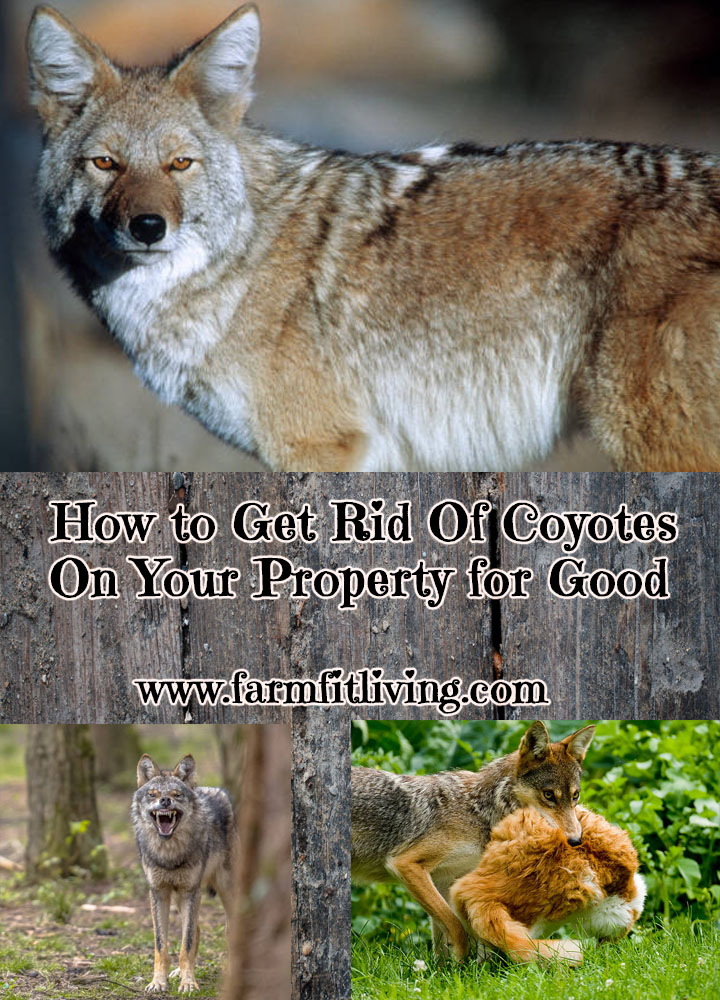
How to Get Rid of Coyotes On Your Property for Good

If you have small animals or small children, you'll want to learn how to get rid of coyotes on your for good.
Out here in the country, the howls of a coyote are both breathtaking and nerve wracking. At first thought, you wonder if your outdoor animals are ok. You want them to be but you need to know how to get rid of coyotes.
The truth is: Coyotes are cowards. They really are. Coyotes are cousins to wolves, but more like the family members wolves rejected because...quite frankly...they are cowards.
They also have a natural fear of humans, which makes them quite easy to control. And you want to control coyote populations. If you don't, they will reproduce very quickly and can take over your property. Eat your chickens, small dogs and other small pets. And maybe your children, too.
I know you've been looking for answers and you're going to find them here today.
In this post, I will share:
- How to Get Rid of Coyotes On Your Property for Good.
- 17+ methods and tactics to use that's more than just killing coyotes.
- Some interesting facts about coyotes that will help you catch them.
I know you're itching for the content about how to get rid of coyotes, so let's jump right in.
Listen to the podcast Episode:
This post contains Affiliate Links. This means if you click and buy, I might make a commission at no cost to you.
See my policy for more information
How to Get Rid of Coyotes: Guard Animals
There are many animals coyotes are scared of. They are such pesky bullies. Their bark is much worse than their bite. So, if you just put one of the following coyote guards on your property, you can rest assured knowing that they will be in control of coyotes:
Livestock Guardian Dogs: We have one Great Pyrenees/Anatolian/Maremma cross dog. While most people will tell you to get two dogs, our one dog has kept our farm safe as long as he has been here. You can definitely have more than one dog but it's not generally necessary.
There's all types and kinds of livestock guardian dogs. The important thing you need to know about these dogs is that while they do have a natural instinct to protect, they still need to be trained. Choosing a dog that has been raised with livestock can help immensely with future coyote attacks.
We love our dog. I have no idea what we would do without him. He did go through a stage (I call it the teenager stage) where I wondered if he would make it as a guard dog. If you have a dog not responding to any training, don't give up.
Or, choose a different animal for guardians.
Llamas & Alpacas: I have no experience with llamas or alpacas but I know many who have.
Cows & Pigs: I've seen with my own eyes a cow take down a live coyote and trample it to death. And as for pigs...I think the smell just keep coyotes from going anywhere near.
Horses: The size of a horse intimidates a coyote.
Donkeys: My grandma used to have a donkey who protected her ducks. One evening around Christmas time, someone wanted to use the donkey for a nativity scene. That night, all of her ducks were murdered by coyotes!
If that donkey would have been there braying like he had been, her ducks would have been fine. Donkey brays really do keep coyotes away.
Hunting/Trapping
Controlling any nuisance animal is important. Game wardens and rangers can help control coyotes by hunting or trapping. You can also do this yourself. You just need a good game call to call them in.
Shoot a coyote and then hang the carcass as a warning to other coyotes. Drape it over a fence on the far side of the property.
Trapping can be done also by finding the den or any holes dug around your property. Just be sure the trap is set in a safe location where your kids or livestock won't venture into.
Finally, there's ALWAYS guys wanting to call and hunt coyotes. You want someone who will be professional and not cause problems on your land. Find someone by asking around - That's always the best way.

Fencing

You can try tall fences around your property to keep coyotes out. We have a woven wire fence to keep our goats and sheep in and coyotes out. For security, we tied one or two strands of barbed wire on top of the woven wire.
Electric fences really won't keep coyotes out. The fence needs to be sturdy and tall enough that they can't jump out. However, electric woven wire MIGHT be effective in keeping coyotes out.
The only thing I will say other thing I will say about this is that coyotes are diggers. The aggressive coyote will dig down underneath the fence to get in successfully. The next section can remedy this problem, so read on!
Soaking & Smells

Many people I have talked to will use certain smells or soak sponges in ammonia or bacon grease that will deter or kill coyotes. Soak them and hang them on sticks around your property.
Also, urine is a great deter-ant if it is wolf urine or human pee. Spread it around the bottom of your fences to keep bold coyotes from digging in.
Finally, you can clean out your vacuum cleaner. The contents (Hair, human smells, other smells on dust and dirt) will scare the coyotes into thinking there is a human around. Remember that coyotes have a fear of people so this really does work well.
Noises & Lighting

In the past, I've kept a light on or played a radio down in my kidding and lambing barn through the winter months. It has seemed to keep coyotes away from there and kept my babies safe.
Coyotes have a remarkable sense of hearing so they can hear the sounds of a noise sensor or radio for miles. Air horns are great too if you hear the presence of coyotes nearby.
If you don't want to keep a light on all the time, the use of motion sensor lights would be handy.
With that said, I definitely recommend lights and loud noises as coyote deterrents.
Trapping and Relocation Guidelines
In specific situations, trapping may be the most suitable strategy for managing problems posed by coyotes. It's essential to understand both the legal and ethical implications associated with planning any trapping activities while prioritizing wildlife welfare. These guidelines aim to provide clarity for safe and responsible coyote removal.
- Legal Framework: It's crucial to familiarize yourself with local regulations regarding coyote trapping and relocation, as these can vary widely by region. In many places, it may be illegal to relocate coyotes, focusing on safe euthanasia instead. Always check with local wildlife services to ensure compliance with legal requirements before proceeding.
- Choosing the Right Equipment: Select traps designed for humane capturing, such as live traps that minimize stress and harm. Purchasing equipment from reputable suppliers ensures that you're utilizing tools that are effective and ethically viable. Always familiarize yourself with the operation of any traps used to ensure humane practices.
- Trapping Best Practices: Set traps in areas with high coyote activity, such as wooded areas, high food availability and den sites. This may require research into their movement patterns and feeding behavior. Bait traps with items coyotes typically find appealing, like meat or other strong-smelling foods, to attract them effectively. Check traps regularly to minimize stress or harm to any captured wildlife.
- Safe Relocation Practices: If relocation is permissible, transport captured coyotes to designated areas that are several miles away from your home to prevent them from returning. Ensure that these areas are suitable habitats that meet their needs for survival and provide enough resources. Properly distancing relocation areas is crucial to minimize chances of reestablishment nearby.
- Engaging Professionals: Working with wildlife control professionals can streamline the process, as they have the expertise and knowledge to manage coyotes more safely and effectively. They can guide ethical trapping methods of live coyotes and navigate legal requirements while potentially addressing wider community issues. Consulting experts removes much of the guesswork involved when dealing with dangerous wild animals.
Legal Considerations and Regulations
Navigating the legal landscape surrounding coyote management is vital for ensuring that interactions with these animals are conducted ethically and legally. Local regulations can vary greatly, making it critical for homeowners to be informed about practices that align with wildlife protection laws. Understanding these facets can prevent unforeseen consequences.
- Local Ordinances: Research local laws regarding coyote management, as regulations can differ significantly from one municipality to another. Some areas might have strict measures in place, while others may provide more flexibility in controlling their population. Familiarity with these ordinances ensures your actions remain within legal boundaries.
- Trapping and Relocation Guidelines: Many jurisdictions have specific guidelines regarding the trapping and relocation (or euthanasia) of coyotes. Some areas may require permits for trapping; others may classify coyotes as protected species. Understanding these aspects is crucial to avoid penalties or running afoul of wildlife laws.
- Reporting Requirements: Familiarize yourself with any mandatory reporting requirements for coyote sightings or aggressive behavior, providing local authorities with essential insights. Keeping track of potential threats allows quicker responses and prevention of unsafe situations. Promptly addressing these concerns improves local wildlife management protocols.
- Human-Wildlife Interaction Policies: Be aware of policies aimed at managing human-wildlife interactions within your community. Some cities may run educational initiatives to inform residents about cautious practices, while others might provide resources or contact information for wildlife professionals. Engaging with these policies fosters a community-oriented approach to wildlife management.
- Consequences of Violating Regulations: Understanding the repercussions of violating wildlife protection laws can emphasize the importance of following established protocols strictly. Penalties can vary from fines to community service or loss of trapping privileges. Staying compliant ensures that you continue to receive support from authorities should you face coyote issues.
Understanding Coyotes
Coyotes are fascinating and adaptable creatures, often mischaracterized as menacing predators. They tend to thrive in diverse environments, including urban areas, which sometimes leads to encounters with homeowners. Understanding their behavior can provide a solid foundation for reducing unwanted interactions.
Most Important Things You Should Know
- Habitat Versatility: Coyotes can adapt to various settings, from deserts to cities, making them one of the most successful wildlife species in North America. This adaptability helps them find food and shelter in surprising places, meaning they might be closer than you think. Keeping your surroundings clear of food sources is crucial in managing their presence.
- Social Structure: Coyotes are social animals that usually operate in family groups, which can help them hunt and defend territories. They are known to communicate through vocalizations, which might sound eerie at night. Recognizing their social behavior can give insights into why they might be lingering in a specific area.
- Dietary Habits: As omnivores, coyotes have a varied diet that includes small mammals, fruits, and even trash left by humans. Their opportunistic feeding habits mean they can easily thrive around suburban areas with accessible food sources. This highlights the importance of securing garbage and removing outdoor pet food from outside. Feeding coyotes is not a good idea.
- Natural Predators: While they might seem formidable, coyotes have natural predators, including larger animals such as wolves or bears in some regions. Understanding their place in the food chain can help dispel the fear surrounding them, as they often prefer to avoid confrontations. They tend to steer clear of human-populated areas unless food scarcity drives them closer.
- Breeding Season: Coyotes typically breed between January and March. During this time, their territorial behavior increases, leading them to be more vocal and visible, which may result in more encounters. This season is crucial for homeowners to be extra vigilant and proactively implement deterrence strategies.
Coyote Behavior
Most Important Things You Should Know
- Vocal Communication: Coyotes use vocalizations, such as howls and yips, primarily for territory marking and social interaction. Understanding these sounds can help differentiate between playful communication and signs of distress. It's useful to note when these vocalizations occur, as they might indicate nearby packs and the level of their activity.
- Aversive Conditioning: Coyotes can be conditioned to fear humans through negative reinforcement techniques, such as loud noises or sudden movements. Consistent and assertive actions will teach them to associate your presence with uncomfortable experiences. This behavior modification is useful for discouraging future visits.
- Effective Hunters: Coyotes are opportunistic hunters, known for their intelligence in finding food. They often hunt alone or in pairs, adapting their strategies based on available prey. Watching for potential food sources around your home can be an effective way to deter them.
- Solitary vs. Pack Behavior: While coyotes are primarily social animals, they may hunt or travel alone, especially in areas where food is scarce. Understanding if you are encountering a solitary coyote or a part of a larger pack can influence your reactions, altering the threat perceived. This knowledge can direct your safety responses in the moment.
- Territorial Instincts: Coyotes are known for being territorial, especially during the breeding season or when raising pups. They may defend their area fiercely, presenting a potential hazard if approached. Being aware of this instinct can help you navigate away from their territory when necessary.
Coyote Prevention Strategies for Homeowners
Preventing coyote encounters starts with understanding what attracts these animals to your property. By implementing a blend of strategies, homeowners can create an environment less inviting for coyotes. It's about making simple adjustments that maintain both safety and harmony with local wildlife.
Most Important Things You Should Know
- Secure Garbage Containers and Compost: Use animal-proof containers and avoid composting meaty scraps, which can attract coyotes along with other wildlife. Secure garbage cans can diminish the likelihood of scavenging, effectively reducing problematic behaviors. Regularly check and reinforce lid mechanisms to prevent access.
- Close Off Hiding Places: Clear clutter and keep yards clean, removing any potential denning sites like tall grass, piles of debris, or dense brush. A tidy landscape promotes visibility, making it unappealing for coyotes seeking shelter. Regular landscaping maintenance can help maintain this preventative barrier.
- Pet Management: Keep unattended pets indoors, especially at dawn and dusk when coyotes are most active. If pets need to go outside, supervise them closely and consider using leashes, especially in areas known for coyote activity. Managing their exposure significantly decreases the likelihood of unfortunate encounters.
- Appropriate Fencing: Install high fences (at least six feet) that are difficult for coyotes to jump or dig under. Ensure the fence has no gaps or weak spots; it should also extend underground about a foot to deter digging. Regularly inspect the fence for any signs of wear or damage.
- Use Deterrents: Consider employing noise-making devices, motion sensors, or even trained dogs to keep coyotes at bay. These deterrents create an unsettling environment for coyotes, discouraging them from lingering. Coupled with other preventative measures, this can drastically reduce their close contact to your home.
Working with Wildlife Control Experts
When managing coyote issues becomes overwhelming, enlisting the help of wildlife experts can provide expertise and effective solutions to your coyote problem. These experts have in-depth knowledge about coyote behavior, local regulations, and ethical management practices. Partnering with professionals ensures your problems are tackled comprehensively and responsibly.
- Experience Matters: Seek out licensed wildlife control services with a strong reputation in your area for effective coyote management strategies. Professionals' experience can guide tailored approaches that match specific local challenges. Researching reviews and testimonials from past clients can provide insights into reputability.
- Multi-Faceted Solutions: Expect holistic solutions that may involve habitat modification, education, and potential trapping where necessary. Professionals often offer integrated approaches that not only address current coyote issues but also prevent future conflicts. A well-rounded service encompasses all facets of wildlife management.
- Educational Outreach: Many wildlife control experts provide educational resources for residents, which can help improve awareness and collective understanding of wildlife safety. Access to workshops or materials promotes community engagement and proactive prevention strategies. Assistance in educating the community fosters a more cooperative environment.
- Legal Knowledge: Professionals are familiar with local laws, helping to navigate any regulations related to coyote management effectively. Their guidance ensures compliance, minimizing risks for homeowners facing legal repercussions. Upholding legal standards is as vital as the management of wildlife concerns.
- Follow-Up Services: Choose companies that offer follow-up services to ensure your coyote management plan remains effective in the long term. Schedules for routine check-ins can help maintain a coyote-free environment and address any emerging issues proactively. Reliable follow-up demonstrates a commitment to lasting results.
You may not have to worry at all about how to get rid of coyotes
While many people believe that coyotes are dangerous and detrimental, I continue to believe they are only nuisances. They are cowards: Scared of their own shadow and tip toe around until you catch them.
I believe they like to eat things that are already dead better than having to catch and kill their own. They will kill if they are hungry, though, which makes them predators. Cowardly ones, though. And they have a natural fear of humans.
That being said: They still need to be controlled. Fall is the time to do it because Winter is when they run out of food sources. It's when you'll hear them crying...testing the waters to see if they can tip toe onto your property. Preventive measures are our best bet to reducing and eliminating coyote conflicts and keeping your animals safe.
With these methods in place, you won't have to have a fear of coyotes. Choose the one that will work best for you based upon your land and your values. I love giving you options to try. All of these have proven to be effective so you can test them for yourself and see if they will work for you.