
Best Fall Garden Guide for Thriving Fall Vegetables

Frustrated by your vegetable garden this year? There's still hope with this Fall garden guide!
You can actually use this Fall garden guide to extend your garden season by planting a fall vegetable garden.
Were your spring and summer gardens not what you had hoped? Are you getting into gardening a little late this year? If you answered yes then it's time to check out this week's episode "Fall Garden Guide." We're going to go over some tips for a your successful fall gardening projects. Some benefits of a fall garden is the cooler temps to work in and no bugs to contend with.
In this Fall Garden Guide, you will find:
- What vegetables to plant and when
- How to tackle common fall garden concerns
- Tips for a successful fall garden
This post contains Affiliate Links. This means if you click and buy, I might make a commission at no cost to you.
See my policy for more information
Planning Your Fall Garden
Planning your fall garden is like setting out on a mini adventure with Mother Nature's cooler months as your backdrop. It's not just about tossing seeds in soil; it's more like strategizing a cozy feast where every plant has a role and timing is everything. Imagine you're laying out a puzzle that shifts with the seasons, ensuring your garden feels alive and productive when the summer crowds have gone quiet. Here are some things you need to keep in mind for planning out your Fall Garden:
Here's Some Planning Tips:
- Know Your Early Frost Dates: Pin down the average first frost date for your area so you can plant accordingly. It's your ultimate deadline for sensitive seedlings. Use local extension services or gardening apps to track this yearly, adjusting your planting calendar to dodge frost damage and win those extra growth days.
- Choose Plants Suited for Fall: Cooler weather demands cool-season crops, which thrive when the heat mellows-think kale, broccoli, and radishes that actually get tastier with a little chill. Delve into varieties labeled as fall-hardy or frost-tolerant to make the most of your cooler season.
- Succession Planting Powers: Avoid the one-and-done approach by planning staggered planting sessions every few weeks; this tactic keeps fresh produce coming well into fall or even early winter. For example, plant quick-growers like cilantro or spinach in waves to extend your harvest window.
- Space Wisely for Growth: Allow adequate distance between fall plants to encourage airflow and prevent overcrowding, which invites fungal issues when damp weather rolls in. Use raised beds or row covers to maximize space and warmth.
- Consider Crop Rotation: Rotate fall crops away from summer plant locations to disrupt pest cycles and replenish soil nutrients, reducing disease risk and boosting yields. Keep a garden journal to track rotations season by season.
Common Myths
Myth: Fall gardening is only for planting bulbs or ornamental plants.
Truth: Fall is a prime time for many the fall harvest of edible vegetables and herbs, often producing sweeter robust flavors in cooler temperatures.
Myth: You can plant fall crops as late as you want without consequences.
Truth: Timing is critical; planting too late means plants won't mature before frost, risking lost effort and yield.
Myth: Fall gardens require the same care as spring gardens.
Truth: Fall gardening can involve different watering, lighting, and pest management techniques that suit cooler, shorter days.
Best Growth Hacks
- Start Seeds Indoors: Give your fall garden a head start by germinating seeds indoors a few weeks before outdoor planting, especially for longer-maturing crops like cabbage or Brussels sprouts.
- Use Row Covers Wisely: Lightweight fabrics protect young plants from frosts and pests while allowing sunlight and water, extending your growing season by weeks.
- Mix in Cover Crops: Plant legumes or clover as companions to enhance soil nitrogen naturally during fall and give the garden bed a break from heavy feeding summer crops.
- Experiment with Intercropping: Combine short and tall fall plants to optimize sunlight and space; for example, plant quick lettuces beneath slower-growing broccoli.
- Layer with Plastic Mulch: Use black plastic mulch to warm soil early in the season or reflective mulch to increase sunlight around shade-happy fall greens.
- Utilize Vertical Growing: Incorporate trellises or cages to grow vining fall crops like peas or beans, making better use of limited fall daylight and bed space.
- Choose Disease-Resistant Varieties: Select fall-friendly plant cultivars bred to resist common fall garden diseases, saving time and energy on chemical controls.
Mistakes to Avoid
- Ignoring Seasonal Light Changes: Overestimating daylight length can stunt growth; remember fall days shorten, so pick plants that handle low light well.
- Overwatering in Cooler Temps: Fall soils dry slower and excess moisture invites rot; adjust watering schedules to smaller, less frequent sessions.
- Neglecting Soil Refresh: Not adding compost or organic matter means nutrient shortages when plants are trying to bulk up before winter.
- Skipping Pest Inspections: Some pests linger in fall surprisingly aggressively, so don't forgo routine garden checks just because summer is over.
- Planting Too Late Without Frost Protection: This results in wasted seed and dead seedlings; always hedge with covers or timely planting.
- Using Heavy Fertilizer Right Before Frost: It can encourage lush but frost-sensitive growth that withers fast.
- Overcrowding: It fosters diseases especially in damp fall weather and reduces airflow.
Why Even Bother With a Fall Garden?
Like I mentioned earlier, the weather and the lack of bugs makes managing a fall garden desirable but fall gardens will often produce higher quality, tastier, cool season crops as the vegetables mature during cooler and less stressful temperatures.
For planting your fall garden remember I'm in NE Kansas with is zone 6. Check the map linked below to see which zone you are located in. You can plant more of these regardless of zone just keep in mind that your timing may be different if you're south or north of me. Also something to keep in mind is that all of these will freeze with a killing frost of 32* or lower. So all of these crops are going to be short season crops, which means you'll need to pay attention to when your last frost is going to be.
Soil Preparation Techniques
Soil health in fall is the backstage hero that sets the spotlight for your garden's success next season. It's like laying a rich feast table for your plants, but with your dirt as the star dish. Tackling fall soil prep means more than turning the earth; it's about recharging depleted nutrients and prepping the perfect cozy bed for chilly-season roots.
Most Important Things You Should Know about Soil Prep
- Test Your Soil Early: A fall soil test, available from local extension offices or DIY kits, gives you a snapshot of nutrient levels and pH so you can target amendments precisely. Getting this right ensures you apply just enough lime or sulfur to balance acidity without overloading your soil.
- Add Organic Matter: Incorporate compost, aged manure, or leaf mold to boost microbial life and moisture retention, helping plants brave cool, dry spells efficiently. Spread a 2-3 inch layer and lightly mix it into the topsoil for maximum benefit.
- Practice No-Till Where Possible: Reducing tilling helps maintain soil structure and protects beneficial worms and fungi crucial for nutrient cycling during slow winter months. Instead, opt for gentle aeration only where compaction is an issue.
- Use Cover Crops as Living Soil Builders: Planting legumes or grasses like rye keep soil nutrients locked in, prevent erosion, and add organic material when chopped and tilled back.
- Maintain Proper Drainage: Avoid fall soil compaction; soggy, heavy soil stresses roots and invites disease, so ensure raised beds or amended soil drains well even under wetter fall conditions.
Common Myths about Soil Prep for the Fall Season
Myth: Fertilizing after the growing season is pointless because plants won't use nutrients.
Truth: Fall fertilizing, especially with slow-release organic matter, revitalizes soil microbes and benefits plants' root systems heading into dormancy.
Myth: Any compost or organic matter is equal.
Truth: Fresh or poorly decomposed material can leach nitrogen and harm plants during cooler months; properly aged compost is key.
Myth: You must till deeply to prepare soil for fall planting.
Truth: Deep tilling disrupts soil structure and life; minimal disturbance preserves natural soil health better in fall.
Best Growth Hacks
- Inoculate Legume Cover Crops: Treat seeds with beneficial rhizobium bacteria to boost nitrogen fixation efficiency in your fall cover crops.
- Use Compost Teas: Brew nutrient-rich teas from compost to water soil and stimulate microbial activity directly in your beds.
- Layer Mulch First: Apply organic mulch early in fall to trap heat and speed up decomposition of amendments beneath.
- Incorporate Biochar: Adding biochar improves soil aeration, retention, and microbial habitat for the long haul.
- Test and Amend in Zones: Divide your garden into soil zones and target amendments based on specific test results for precise correction.
- Use Mycorrhizal Fungi: Apply mycorrhizal inoculants to encourage symbiotic fungal networks that improve root nutrient uptake in cooler months.
- Schedule Amendment During Moist Weather: Work amendments into slightly moist soil for better integration and less dust or compaction.
Mistakes to Avoid for Fall Soil Prep
- Adding Too Much Nitrogen: Excessive nitrogen late in the season encourages tender growth vulnerable to frost damage.
- Using Fresh Manure Unaged: It can burn roots and harbor pathogens, causing plant stress or illness.
- Ignoring Soil pH: Not correcting acidity can limit nutrient uptake even if you add plenty of fertilizer.
- Compacting Soil Before Planting: Walking on beds or heavy machinery use crushes soil porosity critical for root oxygen.
- Failing to Cover Bare Soil: Exposing soil leaves it open to erosion and nutrient loss from wind and rain.
- Neglecting Organic Matter Replenishment: Skipping amendments causes slow degradation of soil quality year after year.
- Amending at Wrong Times: Adding fertilizer or compost right before a hard freeze can reduce microbial activity and nutrient availability.
Best Fall Vegetables to Grow
Fall's cooler climate turns the garden into a buffet spotlighting vegetables that snack on brisk mornings and prefer sweater weather. But it's not just about what grows well; fall veggies often boast deeper flavors and more nutrients. Imagine crisp kale and sweet carrots thriving where summer heat fades-your garden's autumn supper club coming together with ease.
Most Important Things You Should Know
- Cool-Season Crops Dominate: Focus on brassicas like kale, broccoli, cabbage, and root vegetables such as carrots or beets; they're genetically wired to flourish in cooler temps and even improve flavor after a light frost. For instance, kale's sugars rise as temperatures drop, making the leaves sweeter.
- Early vs. Late Varieties Matter: Choose fast-maturing cultivars if planting late in the season to ensure harvest before hard frost; longer-season types need earlier fall planting or indoor starts to avoid disappointment.
- Leafy Greens Are Fall Favorites: Spinach, Swiss chard, and arugula all thrive in mild fall weather and can often be harvested multiple times throughout the season with cut-and-come-again strategies.
- Root Crops Store Well: Beets, carrots, and radishes can be harvested late and sometimes left in soil over winter under mulch, letting you snack straight from your garden through chilly months.
- Soil Prep Enhances Flavor: Loose, nutrient-rich soil lets root veggies grow uninterrupted and develop sweeter flavors, so prioritize deep loosening and organic matter incorporation.
Common Myths about Fall Vegetables
Myth: Cool Season vegetables don't grow as fast or produce as well as spring crops.
Truth: Many fall crops mature quickly and offer yields comparable or even better due to reduced pest pressure and cooler stress.
Myth: You need to water fall vegetables as much as summer ones.
Truth: Lower evaporation rates in fall mean less frequent watering is often enough, avoiding root disease caused by overly wet soil.
Myth: Frost kills all fall vegetables.
Truth: Some tolerate or even thrive after light frosts; knowing your crop's frost tolerance can extend your harvest window significantly.
Best Growth Hacks for Fall Vegetable Gardens
- Blanching Brassicas: Cover cabbage or kale heads with collars or foil to blanch stems, producing milder, tender textures and taste shifts.
- Successive Sowings of Radishes: Plant radish seeds every two weeks for a nonstop harvest that adapts well to fall weather changes.
- Use Cold Frames: Extend the season for heat-loving but frost-sensitive veggies like tomatoes by shielding them during cooler nights.
- Interplant with Aromatics: Plant onions or garlic near your veggies to naturally repel some common fall pests and reduce disease risk.
- Fertilize with Liquid Seaweed: Seaweed sprays enhance root growth and stress tolerance in cooler temps.
- Thin Seedlings Properly: Removing weaker sprouts early allows the strongest plants extra room and nutrients to thrive in fall soil.
- Harvest Early Mornings: Pick vegetables when temperatures are coolest for the best flavor and crispness retention.
Mistakes to Avoid when planting your Fall Garden
- Planting Warm-Season Vegetables Too Late: Tomatoes or peppers won't have time to mature, wasting space and effort.
- Ignoring Mulch: Bare soil can lead to moisture loss and root damage in fluctuating fall temps.
- Overcrowding Plants: Leading to poor airflow and increased pest/disease problems in humid fall conditions.
- Neglecting Pest Monitoring: Certain pests like aphids or slugs can persist or even thrive in cooler months.
- Failing to Adjust Watering: Overwatering in fall invites root rot and fungal diseases.
- Harvesting Late: Waiting too long encourages woody, bitter textures, especially in greens.
- Not Rotating Crops: Repeating summer crops in fall depletes soil and raises disease risk.
Dealing with Pests and Diseases in Fall
Picture fall as the garden's final act before winter's curtain closes-pests and diseases sometimes stage surprise appearances, hoping to sneak in damage while you relax. But knowing their quirks and spotting them early turns you into a savvy backstage manager, maintaining the health and harmony of your garden through this tricky season.
Most Important Things You Should Know
- Fall Is a Prep Time for Pests: Many insects like aphids, spider mites, and caterpillars escalate feeding to build populations before winter, so vigilance now helps prevent greater infestation in spring.
- Damp Fall Weather Fosters Fungal Diseases: Powdery mildew, leaf spot, and blights thrive in cool, moist conditions common in fall; identifying symptoms early can save large swaths of plants.
- Remove Debris Promptly: Fallen leaves and dead plant matter harbor overwintering pests and disease spores; clearing the area reduces next season's workload substantially.
- Use Organic Controls: Fall is a great time to apply neem oil, insecticidal soaps, or introduce beneficial insects without upsetting springtime pollinators or soil life.
- Keep Plants Healthy with Proper Care: Stressed plants attract pests more readily; proper watering, feeding, and airflow strengthen defenses naturally.
Common Myths
Myth: Pests die off in the fall and don't need attention.
Truth: Many pests shelter through winter, and unchecked fall populations can explode in spring.
Myth: Chemical pesticides are the only option to control fall diseases.
Truth: Integrated pest management including cultural controls and organic sprays often works better long term and is safer for the environment.
Myth: Removing diseased leaves is a waste of time in the fall.
Truth: Cleaning up reduces the winter reservoir of fungal spores and insect eggs, improving garden health next year.
Best Growth Hacks
- Introduce Beneficial Bugs Early: Ladybugs and lacewings released in late summer help keep aphids and mites down during fall.
- Use Diatomaceous Earth: Sprinkle around vulnerable plants as a natural barrier against slugs and soft-bodied pests.
- Prune Diseased Branches Promptly: Removing infected plant parts limits disease spread and boosts air circulation.
- Spray with Baking Soda Solutions: Effective low-cost treatment for powdery mildew when applied consistently.
- Apply a Layer of Mulch: Helps reduce fungal splash-up and insect overwintering sites.
- Set Sticky Traps: Capture flying pests like whiteflies or fungus gnats, reducing population pressure.
- Encourage Birds: Setting up feeders or houses attracts birds that snack on garden insects naturally.
Mistakes to Avoid
- Ignoring Early Signs of Infestation: Small pest populations are easier to control than large outbreaks.
- Overusing Broad-Spectrum Pesticides: These harm beneficial insects and upset the garden's ecological balance.
- Failing to Clean Up Plant Debris: Leaves and stems left on beds invite winter persistence of pests and diseases.
- Not Rotating Pest Control Methods: Relying on one method can lead to resistance and reduced effectiveness.
- Watering Late in the Day: Leaves stay wet overnight promoting fungal growth.
- Planting Resistant Varieties Only After Problems Arise: Proactive choice of disease-resistant cultivars is wiser long term.
- Neglecting Proper Sanitation of Tools: Can spread diseases from plant to plant unintentionally.
Tips
-Plant the seed a little deeper than you would in the spring. That way the seed stays cooler and the soil around the seed stays nice and moist. The more moist that seed is, the more likely it is to germinate.
-Plant a thicker crop and then thin it out later.
-Protect your garden from wildlife by fencing it in when you can.
-Soil test your garden. If you don't want to soil test, you can just use about a quarter of a cup of low analysis fertilizer, about 10 feet of row. You can also apply to weeks after transplanting, about two tablespoons of miracle grow or a higher nitrogen fertilizer per plant.
-Watering must occur more frequently because the seed should not be allowed to dry out. I always recommend soaker hoses or drip watering at the ground level because overhead watering often causes soil to crust and this makes it more difficult for young tender plants to emerge.
-It will be important as the plants grow to make sure that your weeds are kept down and they have no competition with weeds so that they can grow to their fullest potential.
Watering and Irrigation Strategies
Water in fall feels like the gentle rhythm your garden needs to stay cozy and hydrated without drowning in summer's leftover heat. It's a delicate dance-too much moisture invites trouble, too little leaves plants thirsty just as they're settling down for winter. Imagine tuning your watering habits to the softer autumn sun, balancing nature's gift of rain with your garden's actual needs.
Most Important Things You Should Know
- Adjust for Reduced Evaporation: Cooler temps and shorter days cut water loss dramatically, so scale back watering frequency to avoid soggy soil and root rot.
- Water in the Morning: Early watering allows foliage to dry quickly, minimizing fungal disease risk common in damp autumn conditions.
- Deep, Infrequent Watering Encouraged: Encourages roots to grow deeper, improving drought resistance and nutrient uptake during slow growth phases.
- Use Mulch to Retain Moisture: A thick mulch layer conserves water by cutting evaporation and regulating soil temperatures through variable fall days.
- Consider Rainfall Patterns: Track local precipitation and adjust irrigation schedules dynamically rather than sticking to rigid timing.
Common Myths
Myth: Fall plants need the same daily watering as summer crops.
Truth: Overwatering is common in fall and causes more damage than drought due to cooler, moist conditions.
Myth: It's okay to water at night in fall since temperatures are lower.
Truth: Night watering keeps plants wet longer, inviting fungal infection.
Myth: Automated irrigation should be left running unchanged year-round.
Truth: Seasonal shift requires manual or programmed adjustment to avoid water waste or under-watering.
Best Growth Hacks
- Install Drip Irrigation: Delivers water directly to roots, reducing waste and disease risk from wet foliage.
- Use Moisture Sensors: Combine with timers to water only when soil falls below optimal moisture levels.
- Harvest Rainwater: Capture autumn rains with barrels for sustainable garden watering.
- Water Deeply However Infrequently: Teaches roots to seek deeper moisture, making plants more resilient over time.
- Use Water-Absorbing Crystals: Mix into soil to retain moisture in sandy or quick-drying beds.
- Group Plants by Water Needs: Avoid over- or underwatering by designing irrigation zones based on plant moisture preferences.
- Hand Water Seedlings and Young Plants: They need focused watering attention as they establish, especially in fluctuating fall climates.
Mistakes to Avoid
- Overwatering Leading to Root Rot: Wet soil suffocates roots and invites fungal pathogens.
- Ignoring Signs of Water Stress: Wilting or yellowing can mean too much or too little moisture and should prompt adjustment.
- Running Sprinklers in the Evening: Increases leaf wetness duration and disease risk.
- Not Checking Irrigation Systems Regularly: Leaks or blockages waste water and starve plants.
- Failing to Adjust Watering After Rainfall: Continues watering unnecessarily, wasting resources.
- Watering Only Surface Area: Shallow watering encourages weak roots near the topsoil.
- Watering Under Windy Conditions: Sprinkler water evaporates before reaching roots, reducing efficiency.
Extending Your Growing Season
Extending the growing season feels like borrowing a bit more magic from summer's daylight, letting your garden keep the party going well into fall or even early winter. Whether you're chasing extra harvests or simply indulging your green thumb, some clever tricks turn chilly evenings into cozy growing conditions. Think of it as giving your plants a snug winter jacket and a cup of hot cocoa.
Most Important Things You Should Know
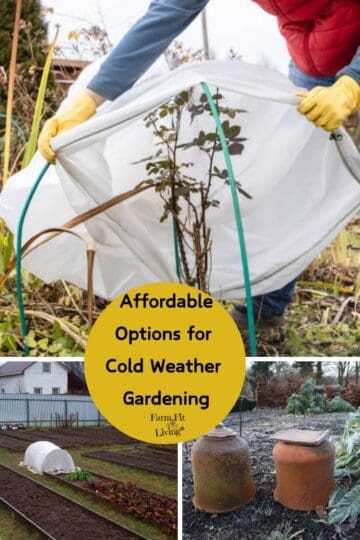
- Utilize Row Covers: Lightweight fabrics trap heat and shield from frost while allowing light and water, providing a greenhouse effect for tender plants.
- Choose Cold-Hardy Varieties: Select plants bred to tolerate frost and cool nights, the backbone for an extended season.
- Greenhouse or Cold Frame Investment: Structures that trap solar heat significantly prolong productive days, especially in cooler climates.
- Strategic Planting Dates: Stagger your plantings so you don't run out of crops all at once; this spreads harvest and gardening joy.
- Microclimate Exploitation: Locate beds near south-facing walls or fences that radiate warmth, keeping plants comfortable longer.
Common Myths
Myth: Extending the season involves massive infrastructure or investment.
Truth: Simple tools like row covers and mulch can add weeks of growth at minimal cost.
Myth: Only tropical or warm climate plants benefit from season extension techniques.
Truth: Many cool-season crops are perfectly suited to these methods, gaining yield and quality.
Myth: Once the first frost hits, all growth stops.
Truth: Light frost-tolerant plants can continue slow growth and even thrive under protection.
Best Growth Hacks
- Double Up Row Covers: Layer fabrics on especially cold nights to boost insulation.
- Use Thermal Mass: Place dark rocks or water barrels near plants to absorb heat during the day and release it at night.
- Employ Reflective Mulches: Increase light availability by reflecting extra sunlight into lower foliage.
- Extend Daylight Hours: Use supplemental LED grow lights for seedlings or perennials indoors.
- Elevate Plants Off Ground: Use raised beds or containers to avoid cold soil effects.
- Windbreak Installation: Use fences or shrubs to shield plants from chilling winds.
- Late-Season Fertilization: Support plants' cold-hardening processes by feeding them balanced nutrients into fall.
Mistakes to Avoid
- Forgetting to Ventilate Covers: Trapped heat can cook plants during sunny days, causing stress.
- Ignoring Frost Forecasts: Unprotected plants left out during sudden cold snaps risk total loss.
- Relying Only on One Method: Combining row covers, mulch, and microclimate effects work better than any single approach.
- Neglecting Water During Cold Season: Dry soils freeze faster and damage roots.
- Planting Inappropriate Varieties: Tender tropicals suffer despite attempts to extend the season if protection isn't thorough.
- Overcrowding Under Covers: Causes diseases due to poor airflow.
- Skipping Soil Preparation: Poor soil limits benefits from extended season; nutrient availability must match growth.
When to Start
Mid-July is the time to start planting, or at least thinking about planting, your fall crop. You can plan on planting potatoes, cabbage, broccoli and cauliflower. Cabbage, broccoli and cauliflower are known as cold crops. Then root crops such as beets, carrots and turnips, spinach, greens and green beans. Mid-July when it is super hot, you can start planting potatoes, late July you can start your beets, carrots and green beans. Early August seed spinach, long season maturing lettuce, or other greens. I've had really good luck transplanting leaf lettuce starting in inside and transplanting it. So that is also a possibility that you can try to do or you can grow it in a container.
Composting and Mulching for Fall
Composting and mulching in fall is like tucking your garden into bed with a nourishing quilt and a nutrient-rich snack. Good compost feeds soil microbes through cooler months, while mulch holds soil warmth and moisture like a gentle hug. Together they set a foundation not just for the next growing season but for years of garden success.
Most Important Things You Should Know
- Compost Timing: Adding well-aged compost in fall primes your soil by boosting organic matter and microbe activity before winter dormancy.
- Leaf Litter Use: Fallen leaves are gold for mulch or compost feedstock, packed with nutrients and perfect for moisture retention if shredded first.
- Mulch Types Matter: Straw, wood chips, or shredded leaves each serve different purposes; straw cools soil while wood chips slowly release nitrogen during decomposition.
- Around Perennials and Vegetables: Mulch insulates roots and prevents weeds, but avoid piling it against stems to prevent rot.
- Compost Tea for Fall Boost: Liquid extracts can stimulate dormant soil microbes and reduce compaction when poured at base of plants.
Common Myths about Composting and Mulching
Myth: Composting should stop in colder months.
Truth: Fall is a crucial time for compost piles to mature and stabilize, making them ready for spring use.
Myth: Mulch promotes pests over winter.
Truth: Properly applied mulch reduces pest habitat and soil temperature fluctuations that stress plants.
Myth: Thicker mulch layers always mean better protection.
Truth: Excessively thick mulch can suffocate roots and trap moisture against stems causing fungus.
Best Growth Hacks
- Shred Leaves Before Use: Speeds decomposition and prevents matting that can block water and air.
- Layer Compost and Mulch: Apply compost thinly then cover with mulch for a nutrient-and-protection combo.
- Turn Compost Pile Regularly: Even in fall, turning aerates and speeds breakdown keeping pile healthy.
- Mix Brown and Green Materials: Balance carbon-rich leaves (browns) with nitrogen-rich materials like kitchen scraps (greens) for compost harmony.
- Use Mulch from Multiple Sources: Combining woody and leafy mulch can balance moisture retention and nutrient release effectively.
- Apply Compost Tea Weekly: Feed soil microbes with liquid nutrients during warm spells in fall.
- Use Mulch as a Weed Barrier: Thick enough layers prevent fall weed seeds from germinating and stealing nutrients.
Mistakes to Avoid
- Using Fresh Compost Uncomposed Enough: Can rob nitrogen from soil and introduce pathogens.
- Mulching Too Close to Plant Stems: Causes rot, insect hiding places, and fungal growth.
- Ignoring Compost Pile Moisture: Pile that's too dry or soggy stalls decomposition.
- Leaving Mulch Untended: Fallen mulch may compact or get invaded by unwanted pests if not monitored.
- Using Diseased Plant Material in Compost: Risks spreading pathogens back into your garden.
- Applying Mulch on Frozen Ground: Limits soil warming and gas exchange around roots.
- Failing to Monitor Compost Temperature: Low temps slow breakdown and can attract rodents.
Fall Garden Tools and Supplies
Imagine your fall garden like a trusty toolbox-each item tailored to specific tasks that keep your garden in shape against cooler, wetter elements. The right tools don't just make work easier; they protect plants and help extend your season with precision and care. Think of the perfect trowel or a row cover as little secret weapons in your outdoor gear.
Most Important Things You Should Know
- Reliable Hand Tools: Invest in sturdy pruners, trowels, and cultivators with comfortable grips to manage precise fall tasks like weeding and trimming before dormancy.
- Row Covers and Protective Fabrics: Lightweight yet durable fabrics provide frost protection and pest barriers, making them indispensable for fall gardening extension.
- Watering Equipment Adapted for Fall: Drip irrigation and soaker hoses offer water efficiency and minimize disease risks compared to overhead sprinklers.
- Storage Solutions: Keep tools clean, dry, and organized during fall to prolong life; investing in a garden shed or tool rack pays dividends.
- Soil Testing Kits: Accessible, easy-to-use kits empower gardeners to monitor soil pH and nutrient levels heading into winter.
Common Myths
Myth: Same tools from summer work perfectly without maintenance in fall.
Truth: Seasonal sharpening and cleaning improve efficiency and reduce plant damage during more delicate fall tasks.
Myth: Protective row covers are only for professional growers.
Truth: Affordable and easy to use, these covers protect home gardeners' investments effectively with minimal effort.
Myth: Using heavy watering tools is best year-round.
Truth: In fall, gentle watering tools target moisture needs better, reducing fungal problems.
Best Growth Hacks
- Sharpen Tools Before Use: Clean, sharp edges reduce plant trauma and make pruning more effective.
- Repurpose Household Items: Use old sheets or curtains as covers in a pinch for frost protection.
- Label Plants and Beds: Use weatherproof markers to keep track of fall plantings and care schedules easily.
- Invest in Battery-Powered Tools: Cordless pruners and leaf blowers save time in damp fall conditions.
- Keep Moisture Meters Handy: Easily track soil moisture to avoid over- or under-watering.
- Store Seeds Securely: Use airtight containers with silica packets to keep fall planting seeds viable.
- Prepare a Garden Journal: Track what tools worked best and note seasonal changes for future success.
Mistakes to Avoid
- Storing Dirty Tools: Leads to rust, blunting, and potential spread of diseases in the garden.
- Ignoring Protective Covers: Leaving plants exposed risks frost damage and pest invasion.
- Using Overhead Watering in Fall: Wet foliage increases fungal infection chance.
- Neglecting Tool Inspection: Broken or loose parts hamper safe, effective garden work.
- Forgetting to Organize Supplies: Lost tools waste time and create frustration during critical fall chores.
- Underestimating Importance of Labels: Leads to confusion with similar crops or rotation plans.
- Disregarding Ergonomics: Uncomfortable tools can cause strain during longer fall garden sessions.
Harvesting and Storing Fall Crops
Harvesting fall crops feels a little like gathering the last firewood before the cold really settles in-timing and technique matter more than you might expect. And once you've gathered the fruits (or roots) of your labor, storing them properly keeps your cozy kitchen stocked well past the first snow. Think of it as extending the garden's good mood into winter evenings.
Most Important Things You Should Know
- Timing Is Everything for Flavor and Longevity: Harvest root vegetables like carrots just after the first frost for enhanced sweetness; pick leafy greens before frosty damage to avoid bitterness.
- Harvest in The Morning: Cooler temperatures and full hydration mean fresher, crisper produce that stores better.
- Handle Crops Gently: Avoid bruises or cuts; damaged vegetables spoil faster and invite mold.
- Cool, Dark Storage Conditions: Most fall crops last longest in cool, humid places like root cellars, basements, or refrigerators set to appropriate temps.
- Regularly Check Stored Crops: Remove any rotting items to prevent spread and prolong overall storage life.
Common Myths about Harvesting Cool-Season Vegetables in the Fall
Myth: You must harvest all fall crops before the first frost.
Truth: Some crops improve with light frost and are better harvested afterward, like parsnips or Brussels sprouts.
Myth: Washing vegetables before storage extends shelf life.
Truth: Washing introduces moisture that accelerates decay; dry storage is best until use.
Myth: All vegetables can be stored together.
Truth: Some produce, like apples, release ethylene gas that quickens spoilage of sensitive crops stored nearby.
Good Luck!
We hope this Fall Garden Guide inspires you to start your own fall garden. If you want even more simple tips, go ahead and jump down to the bottom to find my book, "Smart Gardening Made Simple." It's all of my tips for 40+ years of gardening and teaching people how to garden. It's all my secrets wrapped into one book, to help you be successful too. If you enjoyed this podcast we would love if you went over to iTunes and left us a review. You can also DM me on Instagram at Mindy_farmfitliving or on Facebook and let me know what concerns you have with your garden, I'd love to help!
~ Happy Gardening ~
Links
Wildlife Control Tips for the Home Garden
How to Attract Beneficial Wildlife to Your Home Garden
Potato Prep: How to Prepare Your Spuds for Planting
Tips for Growing Vegetable Transplants from Seeds

Companion Planting Cheat Sheet for You
What plant deters squash bugs or potato beetle? Instantly know what vegetables like each other or not to help you plan your garden layout more effectively. Enter your email below and this one-page printable companion planning cheat sheet will instantly appear in your email inbox.


One Comment
Comments are closed.