
Cute, Fluffy & Yellow: 5 Steps to Jump Start Baby Chicks
Ready to raise your own chicken for meat? Here's how to jump start baby chicks to give them a healthy life.
This is something fun that my family and I have done for years. Raising our own chickens to meet our our protein needs has been a fulfilling and very worthwhile practice.
Of course, our favorite part of the process is getting the chicks. We don't currently raise our own meat bird chicks because we love Cornish Crosses. So, we order from local hatcheries near us. It's fun to get chicks in the mail.
In this post, I'm going to give you:
- Some practical information to jump start baby chicks.
- How to order day-old baby chicks and care for them when they arrive.
- Info about raising Cornish Cross Chickens for Meat in Only 8 Weeks!
Listen to the Podcast Episode right here:
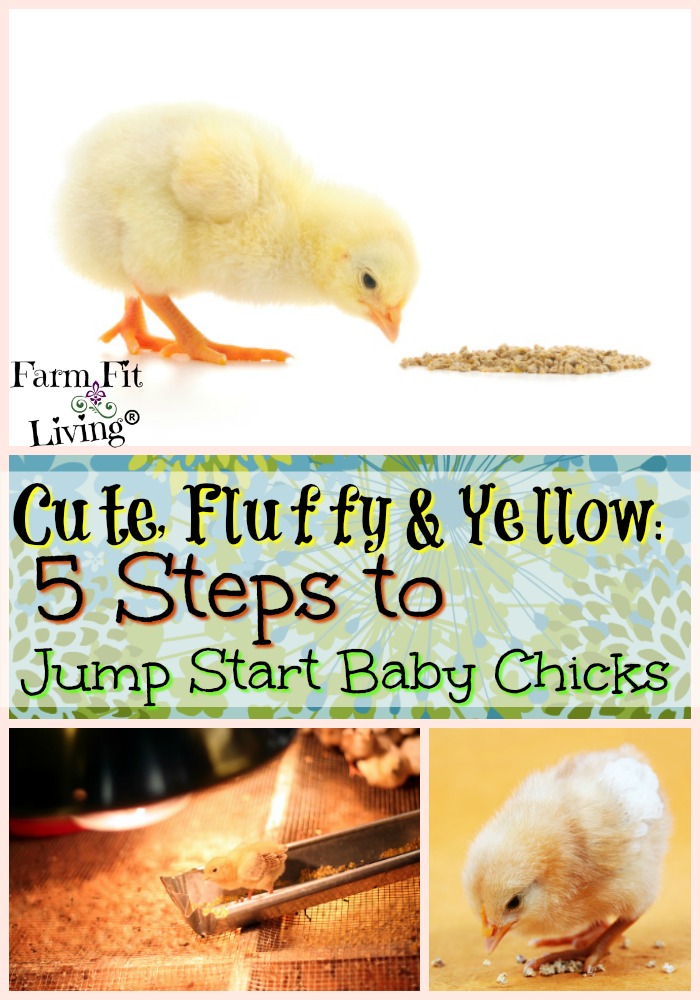
Where to Buy Chickens Locally
You want to stay fairly local, so finding a hatchery with day-old baby chicks in your grow or climate zone is important. For example, a few hatcheries near me in Kansas would be:
- McMurray Hatchery
- Cackle Hatchery
- Stromsbergs Hatchery - Main Location in Minnesota
You can do an easy google search for "baby chick hatcheries" to find out where you can purchase your very own day old chicks.
And once you do, they will arrive by mail! Here's a little bit about what that looks like.
The Chicks Are Here!
I received the phone call this morning when I was at the gym in town. "The lady on the other end said, "They're here". It was perfect timing.
So, I left the gym and drove to the post office where they were waiting for me. A noisy box of high pitched chirping is sure to wake you up early in the morning.
As we headed west out of town, I turned on some good ol' country music and the chirping subsided. It seemed as though the creatures inside the box enjoyed listening to some T. Swift before 7 a.m.
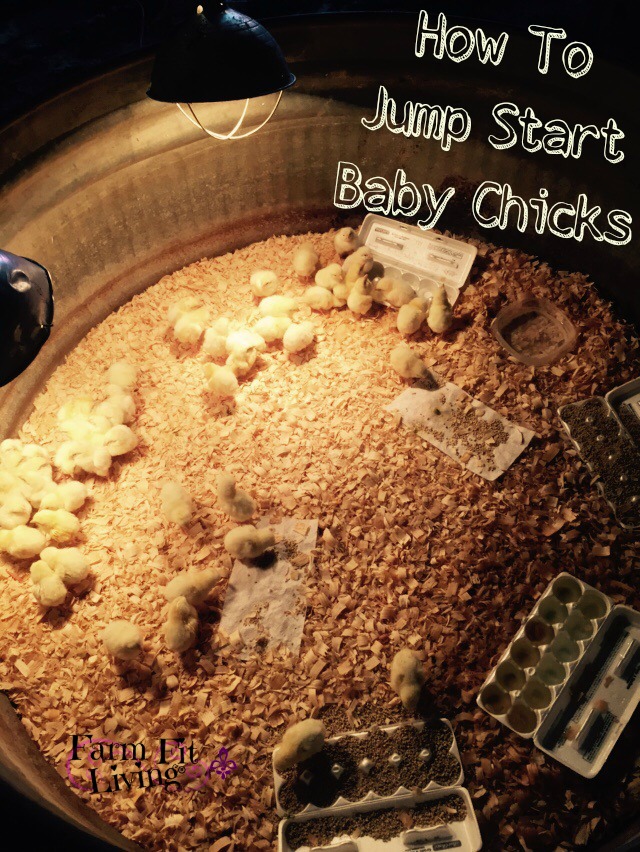
I made a phone call to Matt to get a metal tank ready with some clean wood shavings.
When I arrived, he had that job completed and was hooking up some heat lamps for warmth. After the tank was ready, it was time to open the box to reveal the contents of our noisy package.
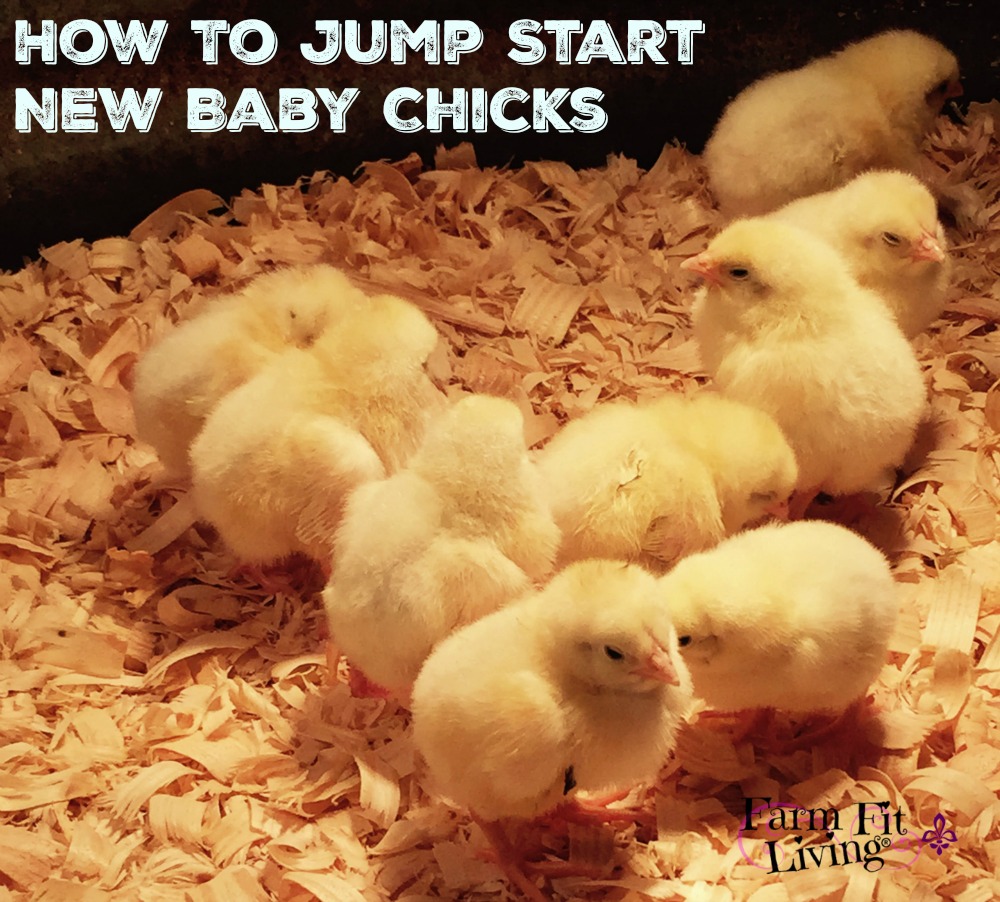
The Breed I Love to Eat
These lovelies are Cornish-Cross chicks that we are going to be feeding out for meat in the next 8 weeks. Yes, they will grow that quickly and I love that about them. They are very efficient birds and taste delicious.
Since the chicks were just hatched the day before, they are very vulnerable to illness and death when moved from their original environment and shipped hours away from the hatchery. The farmers aren't the only ones who work to stay healthy. The animals need to be healthy, too, so I've got some tips on making sure my new chicks receive the proper care they need to succeed.
The following steps line out how I jump start baby chicks when they come to my farm:
Make Sure There's Plenty of Warm Water & Food in the Brooder for the Chicks
The first day's water needs to be very warm to regulate their internal body temperature. Since the chicks had made such a long journey, they were very thirsty. I used clean egg cartons to start them on food and water.The chicks loved the water. They not only chugged it - they swam in it as well. Then, they were wet and cold. Smart ones, they are...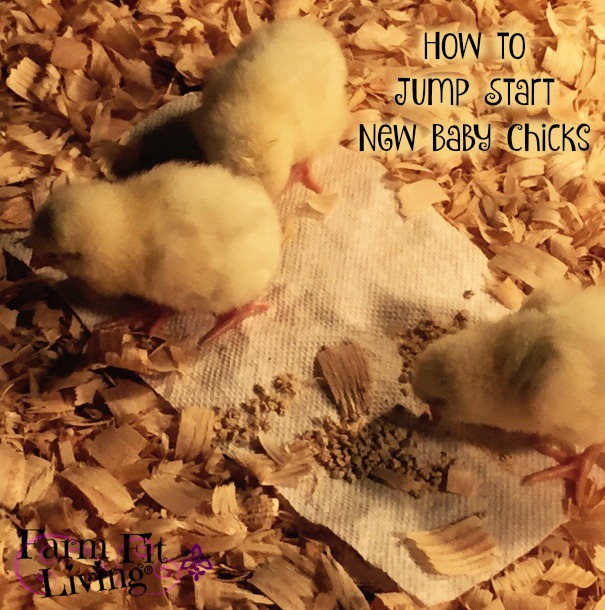
Read the Instructions Included with the Chicks
The hatchery sent a great brochure with information. I read it word for word. There's a lot of helpful tips in there. For example, the water the first day needs to be 98 degrees Fahrenheit. To me, that's an easy detail to miss.
I may have gotten it too hot or too cold and that would have possibly made one or two of my birds sick. The hatcheries are the experts when it comes to the needs of the chicks. They made the effort to send me the instructions, so I follow them for the sake of starting a healthy flock.
Dip Each Chick's Beak into Water and then Food
This is a fun step that can be completed as you're moving the chicks into their new home. Teaching them where the water and food is located is crucial. Just dip (not dunk) the beak into the water and then the food.
You won't hurt the chicks if you do this gently. Then, watch them run back to the water. That's when you know you're on the right track.
Be Sure the Pen has a Warm and Dry Spot for Comfort
Once they have found the water, they begin to play in it. Silly birds. Later, when I checked on them, some of them were shivering wet and cold. Matt had attached some heat lamps onto the top of the tank, so I nudged the chicks back underneath. They were back to their dry and fluffy selves in no time.
Remove any sick or Dead Chicks Immediately
I hope you never have to deal with a sick or dead chick. There's really nothing much you can do for a sick chick.
Some symptoms of a chick being 'under the weather' would be foggy and squinting eyes, being a loaner or by itself or exhibiting runny poop. You should absolutely remove the sick chick out of the flock in order to prevent any further chicks from becoming ill. Chances are, it's too late, but it never hurts to be proactive.
You can contact your veterinarian to get their ideas on an antibiotic or medication to give your chick. I have never administered anything to a chick, so I do not feel comfortable dishing out certain medication names available at local farm stores. Definitely talk to a veterinarian.
If you have a dead chick in your chick pen, first off, I hope you don't but it will more than likely happen at least once. This is why hatcheries throw in a couple more chicks than you may be ordering. They know there will probably be death. Try not to touch the chick with your hands when you remove it. Give it a proper burial and then move on.
Luckily, I have had great luck with starting day-old baby chicks this way. They all arrived healthy and transitioned well. I find them to be bright-eyed, eating and drinking.
In eight short weeks, they will be ready to be butchered and go into our freezer for the Winter. It's all a part of raising Cornish Cross Chickens for meat. But, of course, the first is learning to jump start baby chicks for best management practices and the best life you can possibly give them.
~Much Love~

For further reading about what happens during the first two weeks of the chick's life, Click Here.
What Questions do you Have For Me about how to Jump Start Baby Chicks?


I never thought about how much work goes into getting chicks! They are so darn cute, I know my kids would love some! Thank you for sharing this info!!
Hey, Ashleigh! The baby chicks are very cute, but they do grow really fast. At just a week old now, they are already starting to change and transition into a "teenage" bird. I'll be sharing pictures of their transition over the next several weeks so you can see how they grow and change. Hope you can stop by again!
My son did this once. Then he spaced out and left the door open. The dogs got in and killed half of them. It was such a disaster!
I'm so sorry that happened! You definitely have to protect them from predator animals. Last year, I only had 25 and I started them in my basement. Pippa, my house cat, was VERY interested in them and I was afraid she would kill one, but she never did thankfully. This year, since I had more, I started them in our shed in a large stock tank with wood shavings in the bottom. We can shut the door. I was worried about Si going in and jumping into the tank with them but he has not done that. We've watched him pretty close. I hope you can try it again because it is a lot of fun and the chicken tastes so good!
I've never raised any other animal other than a dog, so this is very foreign to me. I had no idea you had to do this. I ignorantly thought they were born and moved on. I think it would be hard for me to know they will be butchered. I think I'd get attached!
Hey, Danielle - so glad you stopped by! Chick's brains are very tiny, so you have to baby them along a little bit. Showing them where food and water is can be the stepping stone between life and death. Plus, keeping them warm is important until they can regulate their own body temperatures. I will be featuring their growth on my blog over the next several weeks and I think you'll find them changing very quickly. It's definitely hard to stay attached to adult chickens. Hope you stop by again soon!
Bookmarking your blog. We have a small farm and I am always looking for ways to improve. Glad I found you on the blog meets blog. Thanks, Heather from Kiser Ridge Farm
That's great, Heather! I will find your page and blog as well. I hope I can help you with your goals...feel free to contact me any time with questions. My contact information can be found by clicking "Start Here" in the table at the top of the page. I'm so glad we found each other and I look forward to getting to know you better.
I have not raised chicks before, and probably won't, but I enjoyed your description. It does seem like a healthy way to feed your family without all the antibiotics and other issues with commercially raised chickens.
It is, Michele. Anyone can raise them. It is a healthy and very delicious way to feed a great healthy protein.
This is an interesting post to bring to the party. They are so cute, are your kids ok eating them. It is a wonderful way to get healthy protein.
Kathleen
Fridays Blog Booster Party #28
Hey, Kathleen! Yes, we are on our way to raising our own healthy protein that will feed us all year. My 2-year-old is definitely ok with eating them. She likes them now as babies, but as they grow, she will become less attached to them and more scared as they will chase and peck her. All they care about is food. 🙂 🙂 Thanks for visiting! I love your party!